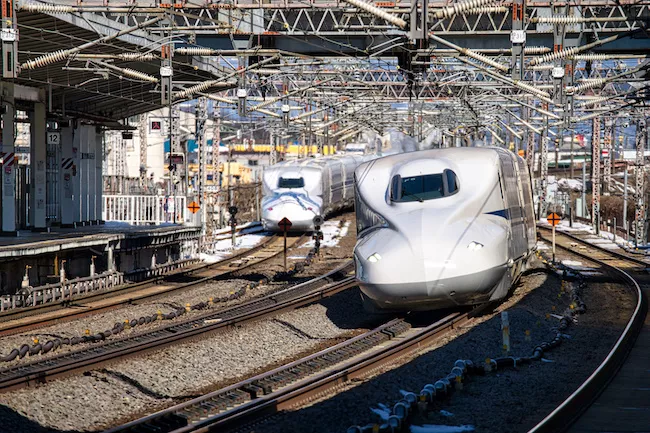
“Japan’s Train System Looks Complicated… Will I Be Okay?”
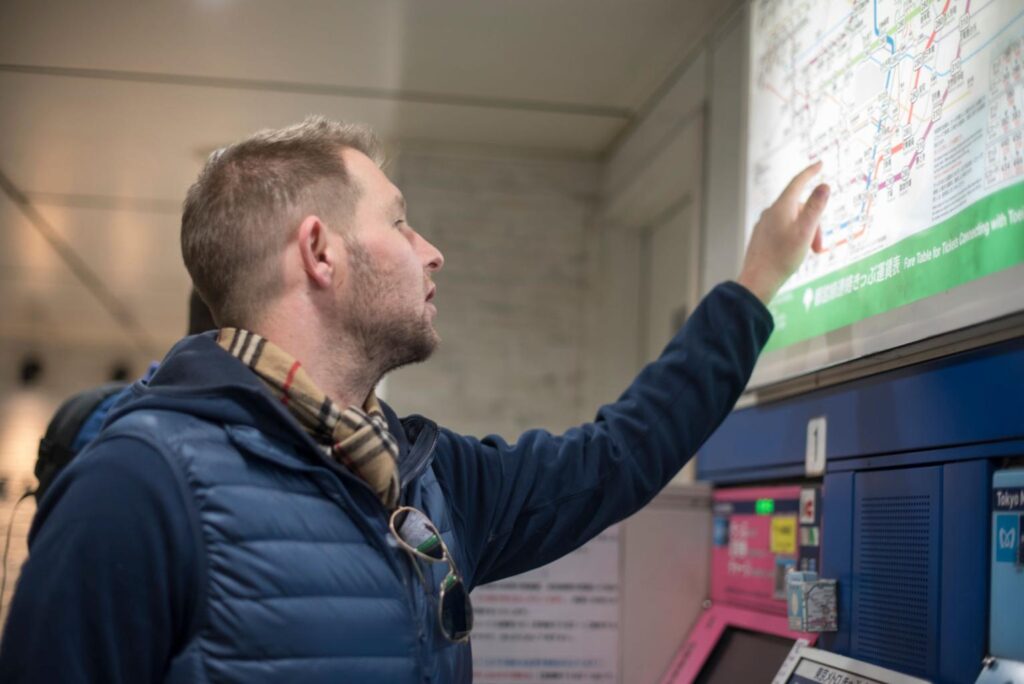
Many travelers feel a small moment of anxiety when they start planning their first trip to Japan.
You open a train map online and suddenly see a maze of colorful lines crossing each other. Stations have names you’ve never heard before, and some of them look enormous. You might wonder:
What if I can’t read the signs?
What if I get on the wrong train?
What if I get lost in a huge station?
These worries are completely normal. In fact, almost every visitor feels this way before arriving.
But here’s something surprising: once you experience Japan’s train system for the first time, most people discover that it is one of the easiest transportation systems in the world.
Yes, really.
And when you understand a few simple basics, trains will become the key that unlocks your entire journey.
2. The Magic of Traveling Japan by Train
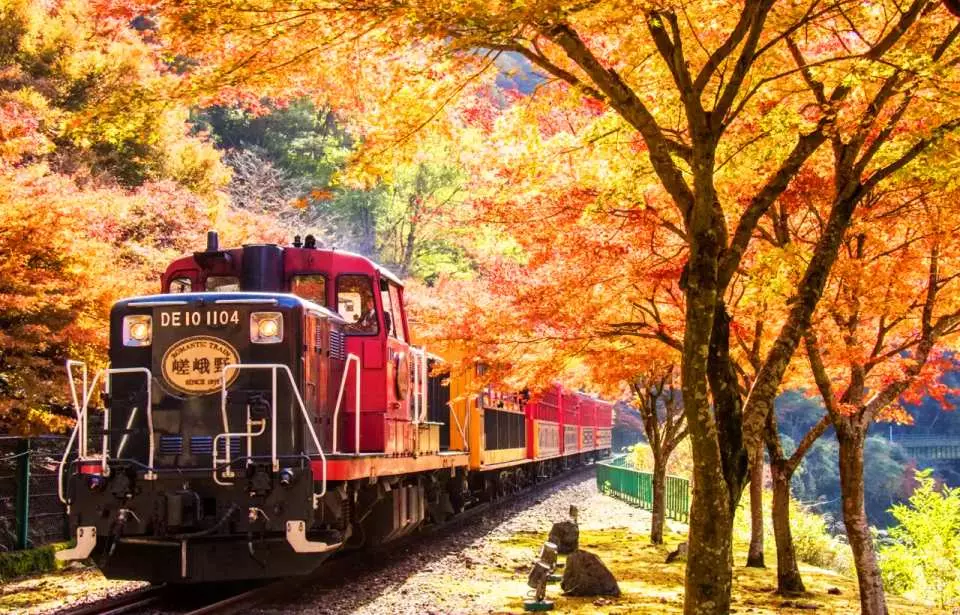
Imagine your first morning in Japan.
You walk into a train station just after sunrise. The air feels calm and organized. Commuters move quietly through the station, and trains arrive exactly on time, almost like clockwork.
You step onto a clean train, find a seat by the window, and the city slowly begins to glide past you.
Today you might be heading to the historic temples of Kyoto, where stone paths lead to peaceful shrines hidden among the trees.
Tomorrow you could be tasting street food in lively Osaka, surrounded by glowing neon lights and the smell of sizzling takoyaki.
Or perhaps you are exploring the endless neighborhoods of Tokyo, each station revealing a completely different side of the city.
In Japan, trains connect almost everywhere. They are famous for being:
- incredibly punctual
- clean and comfortable
- safe and easy to use
For many travelers, riding the train becomes more than transportation. It becomes part of the adventure itself.
3. Why the Train System Feels Confusing at First
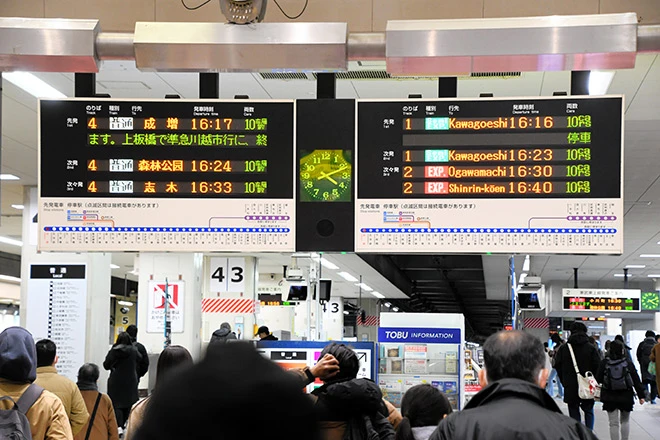
If trains are so convenient, why do they seem intimidating at first?
Usually, the confusion comes from three simple things.
First, the maps look complicated. Japan’s railway system is extensive, and the colorful lines crossing the map can feel overwhelming. But in reality, you usually only need to follow one or two lines for most trips.
Second, some stations are very large. A place like Shinjuku Station is one of the busiest stations in the world. When you first walk inside, it might feel like entering a small city.
Third, many travelers worry about language. They imagine everything will only be written in Japanese.
Fortunately, this is rarely a problem today. Most major stations have clear English signs, announcements, and maps. Staff members are also used to helping international travelers.
Once you see the system in person, it often feels far simpler than you expected.
4. The Four Simple Things That Make Trains Easy
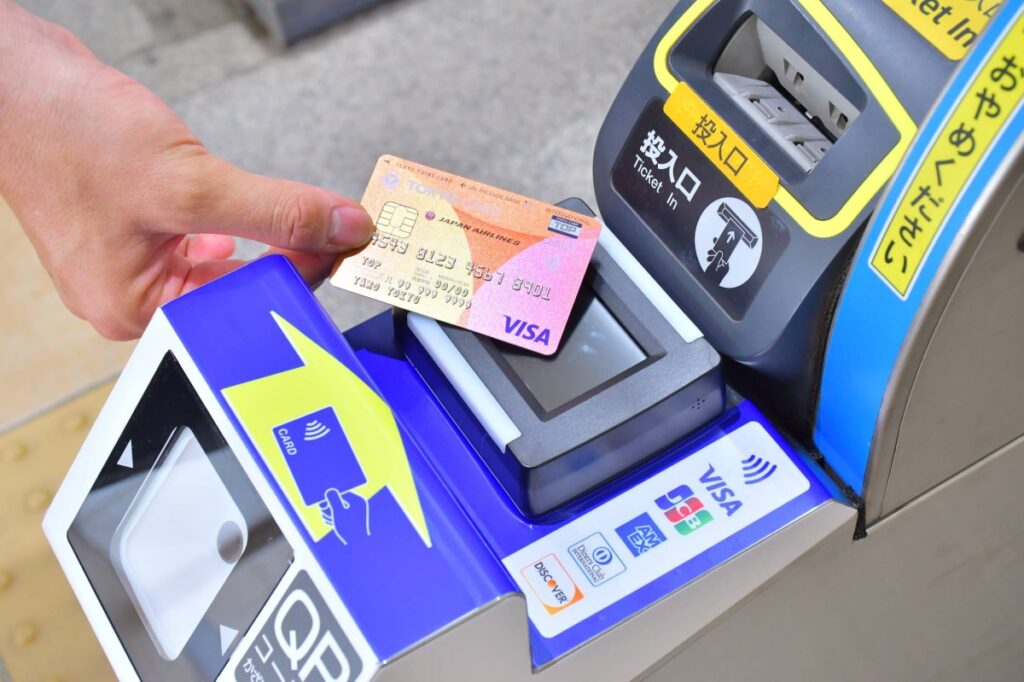
The secret to using trains in Japan is understanding a few basic ideas.
The first is using an IC card. Instead of buying a ticket every time, most travelers use a rechargeable card such as Suica or ICOCA.
You simply tap the card at the ticket gate when entering the station and tap again when leaving. The correct fare is automatically calculated. It feels almost effortless.
The second tip is to follow the colors. Each train line has its own color and name, and these colors appear everywhere on station signs and maps.
The third helpful tool is your phone. Apps like Google Maps make navigating Japan incredibly easy. Just type your destination and the app will tell you exactly which train to take, which platform to use, and how long the journey will take.
Finally, always check the platform number and destination signs. Even if you don’t understand the language, the numbers and symbols make directions surprisingly clear.
With these four basics, the train system suddenly becomes very simple.
5. Your First Train Ride: Step by Step
Let’s imagine your very first train ride in Japan.
You open Google Maps and search for your destination. The app shows the route and tells you which station to go to.
When you arrive at the station, you walk toward the ticket gates and tap your Suica or ICOCA. The gate opens instantly with a soft beep.
Inside the station, you follow the signs showing the train line color and platform number. The directions are surprisingly clear.
On the platform, you’ll notice something very Japanese: people quietly line up in neat rows while waiting for the train.
When the train arrives, passengers step off first, and then everyone boards calmly. No pushing, no rushing.
Soon you’re inside the train, the doors close, and the journey begins.
Outside the window, the scenery changes—city streets, quiet neighborhoods, maybe even mountains in the distance.
In that moment, something wonderful happens.
You realize you did it.
You just navigated Japan’s train system.
6. The Moment Japan Opens Up
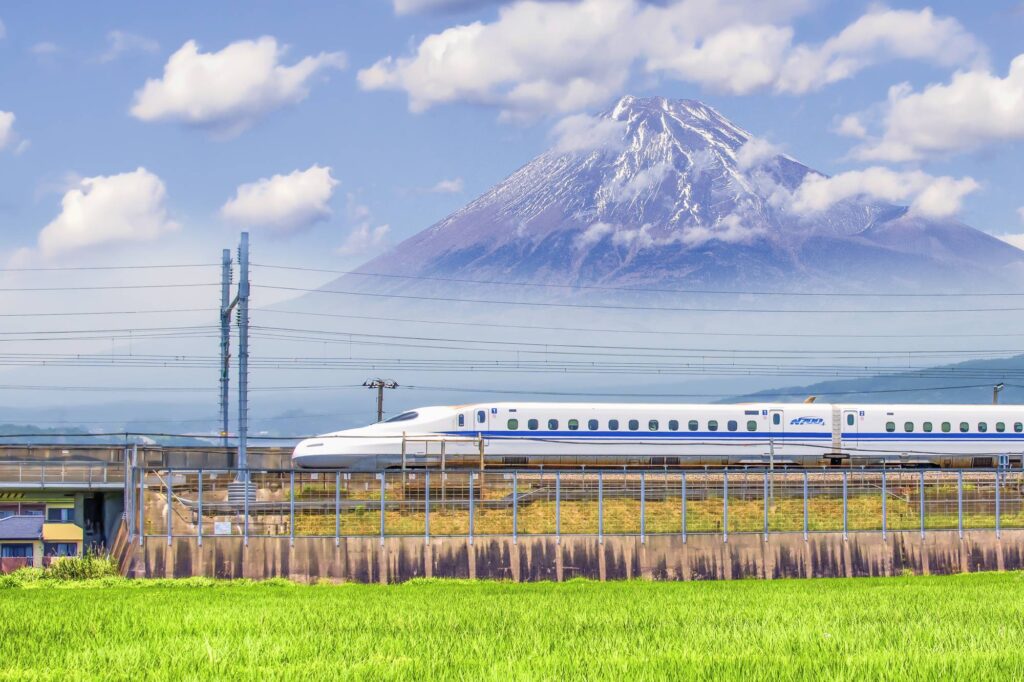
After your first successful train ride, a new feeling appears.
Confidence.
Suddenly the country feels accessible. The temples of Kyoto, the food streets of Osaka, and the endless discoveries of Tokyo are all within reach.
All connected by trains that glide smoothly through the country every day.
And as the train gently carries you toward your next destination, you might look out the window and feel a quiet excitement in your chest.
Because at that moment, Japan no longer feels complicated.
It feels like an adventure waiting just beyond the next station.


comment