
1. Will I Make a Mistake in Japan?
Before my first trip to Japan, I remember standing in my room with a strange thought in my head:
“What if I accidentally offend someone without even realizing it?”
It wasn’t the food or the transportation that worried me. It was something much simpler—manners. More specifically, bowing.
I had seen it in movies and travel videos. People bowing to greet each other, to say thank you, even to apologize. It looked elegant… but also complicated.
How deep should I bow? When exactly should I do it? What if I did it wrong?
If you’re feeling the same way, you’re not alone. Many first-time visitors to Japan share this quiet anxiety. When you don’t speak the language fluently, even small gestures can feel like high-stakes moments.
But here’s the truth I wish someone had told me earlier:
You don’t need to be perfect. Not even close.
2. A Beautiful Cultural Experience Awaits
When you actually arrive in Japan, something shifts.
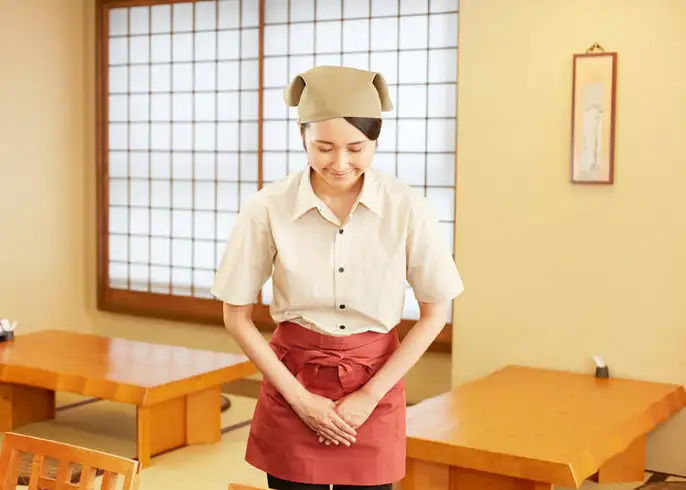
You step into a small café, and the staff greets you with a gentle bow and a warm “Irasshaimase.” You don’t fully understand the words, but you feel welcomed. Instantly.
That’s the magic of bowing.
It’s not just a formal rule—it’s a quiet language of kindness. A way of saying, “I see you. I respect you. Thank you for being here.”
And the most surprising part? You can be part of it.
Even a small, simple bow can create a connection. You might bow slightly as you leave a shop, and the shopkeeper smiles. You bow again, a little more naturally this time. There’s a rhythm to it, almost like a dance you didn’t know you already understood.
In those moments, you realize something:
You don’t need perfect Japanese to communicate in Japan.
Sometimes, a small gesture says everything.
3. Why Bowing Feels So Confusing
If bowing is so simple, why does it feel so intimidating at first?
The answer lies in what we’re used to.
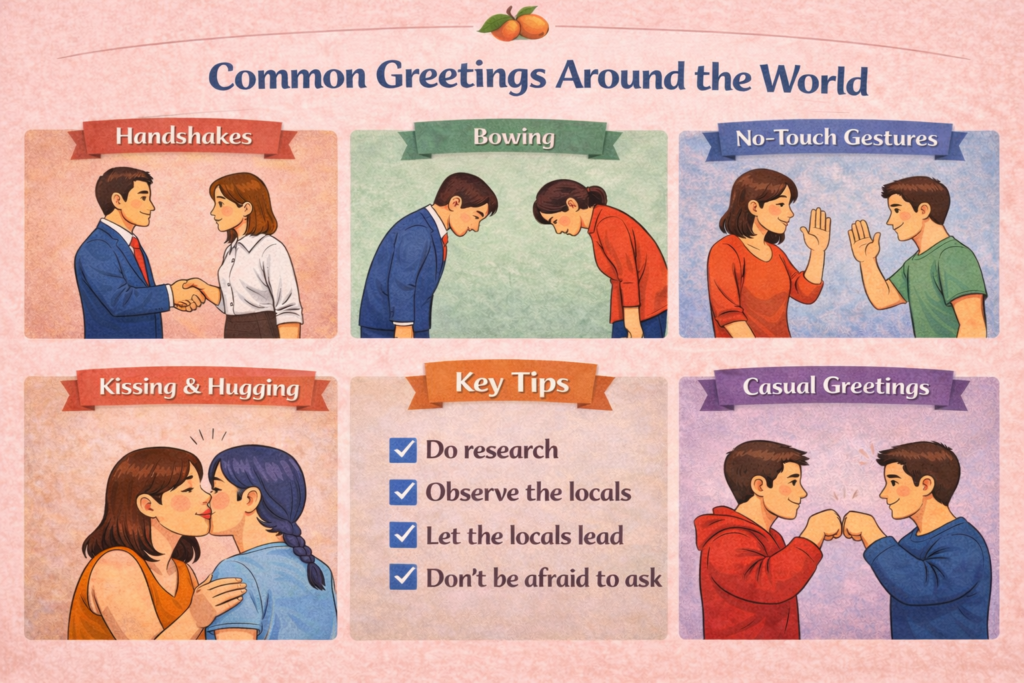
In many countries, greetings involve handshakes, hugs, or just a casual “hello.” Physical contact or eye contact plays a big role. Bowing, on the other hand, feels unfamiliar. It’s structured, quiet, and subtle.
Then there’s the idea—often picked up from the internet—that there are strict rules.
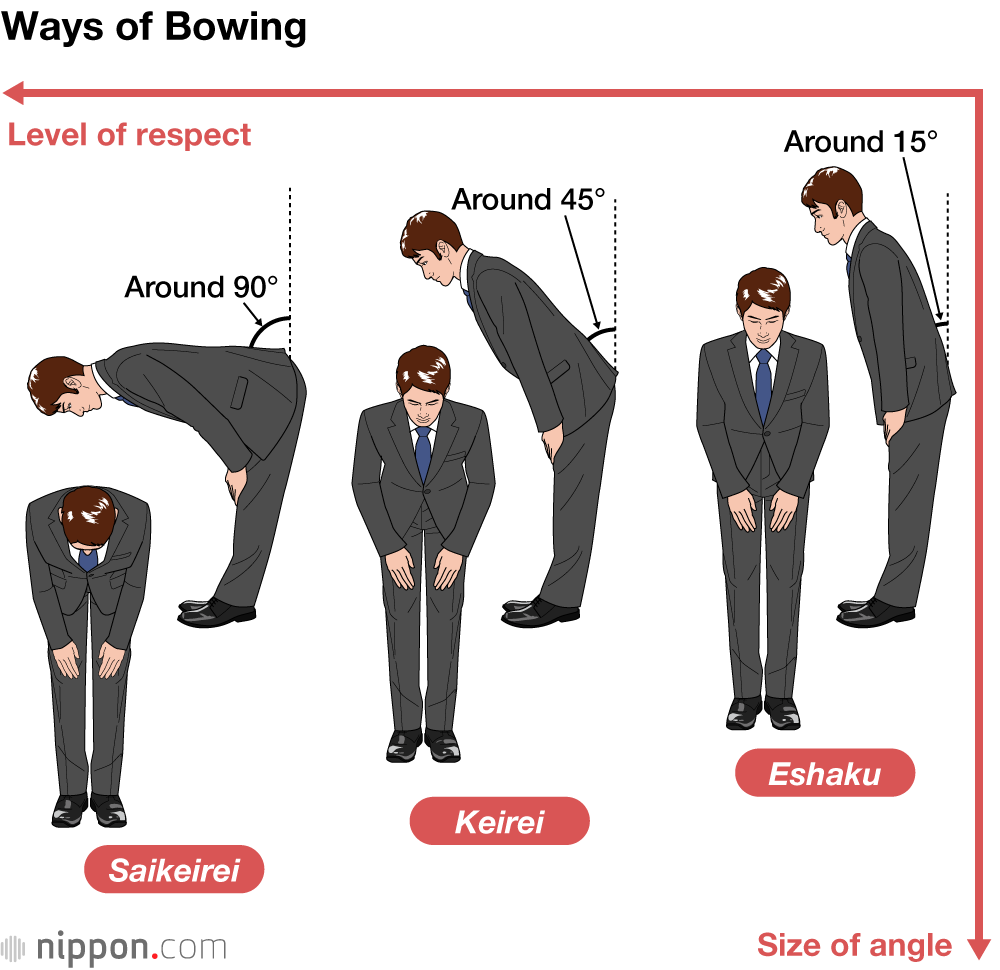
15 degrees, 30 degrees, 45 degrees… different types of bows for different situations.
It’s easy to fall into the trap of thinking:
“If I don’t do this exactly right, I’ll be disrespectful.”
That pressure can make you hesitate. You might freeze in a moment where a simple nod would have been enough.
But here’s the key insight:
The confusion doesn’t come from bowing being difficult.
It comes from thinking it has to be perfect.
4. The Truth About Bowing in Japan
Let me share something that completely changed how I approached bowing.
One day, after clumsily bowing a little too deeply at a small restaurant, I noticed something. The staff smiled—not because I was perfect, but because I tried.
That’s when it clicked.
In Japan, especially for visitors, bowing isn’t about precision. It’s about intention.
You are not expected to know every rule. You are not expected to bow like a local. In fact, most people understand that you’re learning, and they genuinely appreciate the effort.
A small nod of your head? That’s already enough.
Add a soft smile? Even better.
In many situations, that simple gesture communicates respect clearly and beautifully.
Think of it this way:
Bowing is not a test you pass or fail.
It’s a bridge you gently step onto.
5. A Simple Bowing Guide for Your Trip
So what should you actually do?
Let’s keep it easy—because it really is.
The Basic Bow
All you need is a slight bend of your head or upper body. About 15 degrees is perfectly fine. Hold it for just a moment—one second is enough—and return naturally.
No need to overthink it.
When to Use It
You’ll naturally find moments where a bow feels right:
- When you say “thank you” to a cashier
- When entering or leaving a restaurant
- When someone helps you on the street
- When checking in at a hotel
In these situations, a small bow feels natural and appreciated.
What You Don’t Need to Do
Here’s where many people overcomplicate things:
- You don’t need to bow deeply
- You don’t need to repeat it multiple times
- You don’t need to make it stiff or overly formal
In fact, trying too hard can feel less natural than keeping it simple.
A Little Extra Touch
If you’d like, you can add a few easy Japanese words:
- “Arigatou” (Thank you)
- “Sumimasen” (Excuse me / Sorry)
Even if your pronunciation isn’t perfect, combining these with a small bow creates a warm and genuine moment.
6. Moments You’ll Remember
Let me paint a few scenes you might experience.
You’re at a convenience store late at night, holding a small snack and a drink. The cashier hands you your change. You smile, give a small bow, and say “Arigatou.”
It’s brief—but it feels meaningful.
Or maybe you’re at a restaurant. As you leave, you turn slightly toward the staff, bow gently, and step outside. Behind you, you hear a cheerful “Arigatou gozaimasu!”
For a second, you feel like you belong there.
On a train, someone helps you with directions. You nod, bow lightly, and thank them. No long conversation needed—just a shared moment of kindness.
At your hotel, during check-in, you mirror the staff’s gentle bow. It’s not perfect, but it’s enough. The atmosphere feels calm, respectful, and welcoming.
These are small moments. But they stay with you.
7. You’re Ready to Experience Japan
By the time you step onto Japanese soil, you might still feel a little unsure—and that’s okay.
But now you know something important.
Bowing is not a complicated rulebook.
It’s a simple, human gesture.
You don’t need to get it exactly right. You don’t need to worry about angles or timing. What matters is your intention—the quiet message of respect and appreciation you’re sending.
And Japan will meet you there.
People will smile. They will understand. They will appreciate your effort more than your accuracy.
And somewhere between your first hesitant bow and your last confident one, something changes.
You stop worrying about doing things “right.”
And you start enjoying the experience.
Because in the end, that’s what travel in Japan feels like—
not stressful, not intimidating, but deeply warm and unforgettable.
So when the moment comes, just take a small breath…
and bow.
That’s all you need.


comment