- 1. I’m curious… but a little nervous
- 2. A festival night you’ll never forget
- 3. What makes festivals feel intimidating?
- 4. Festivals are more welcoming than you think
- 5. Simple tips to help you feel at ease
- 6. Finding the right festival for you
- 7. Becoming part of the moment
- 8. Your unforgettable moment is waiting
1. I’m curious… but a little nervous
Maybe you’ve seen photos of Japanese festivals before.
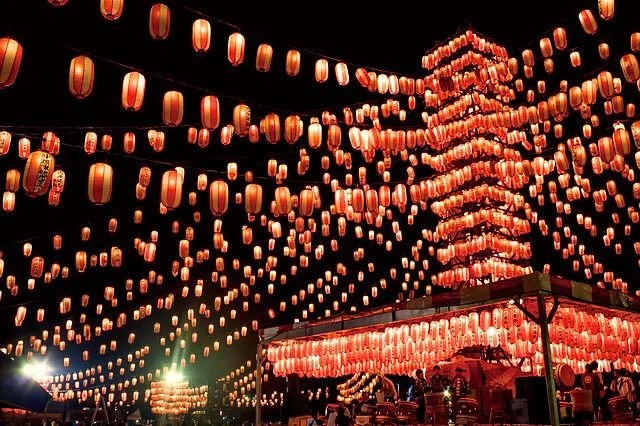
Rows of glowing lanterns. Fireworks bursting across the summer sky. People in beautiful yukata, smiling, laughing, holding small paper fans as they walk through lively streets.
And maybe… something in your heart whispered, “I want to experience that.”
But at the same time, another voice quietly asked:
“What if I don’t understand what’s going on?”
“What if I do something wrong?”
“Are these festivals even meant for someone like me?”
If you’ve ever felt that mix of excitement and hesitation, you’re not alone.
I remember standing in front of my first Japanese festival, hearing the distant sound of drums, watching locals walk confidently inside… and feeling completely unsure if I belonged there.
It felt different from visiting a temple or a famous tourist spot. This felt… more personal. More local. Almost like stepping into someone else’s world.
But what I discovered that night changed everything.
2. A festival night you’ll never forget
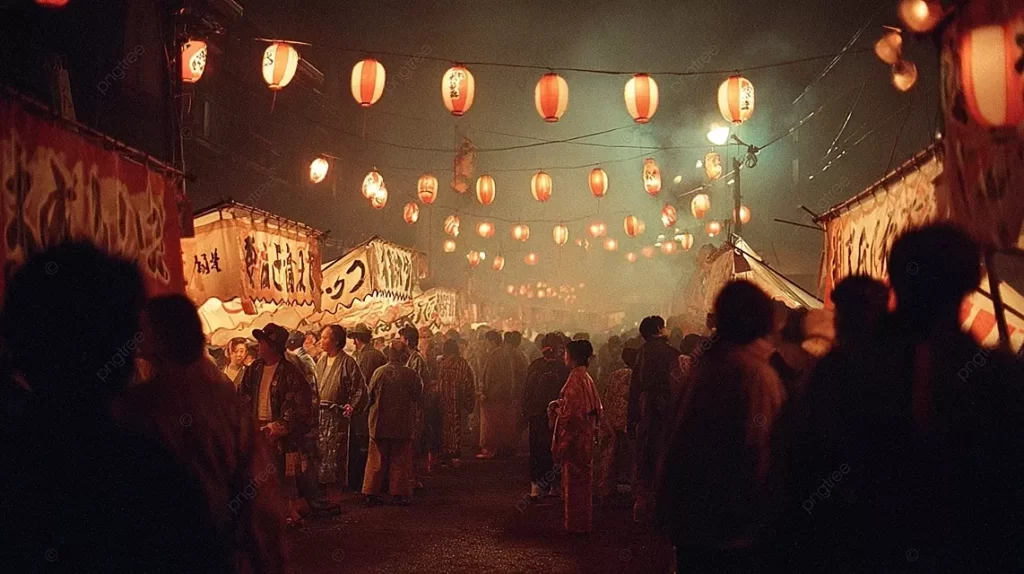
As I slowly stepped inside, something unexpected happened.
No one stared. No one questioned why I was there.
Instead, the world simply opened.
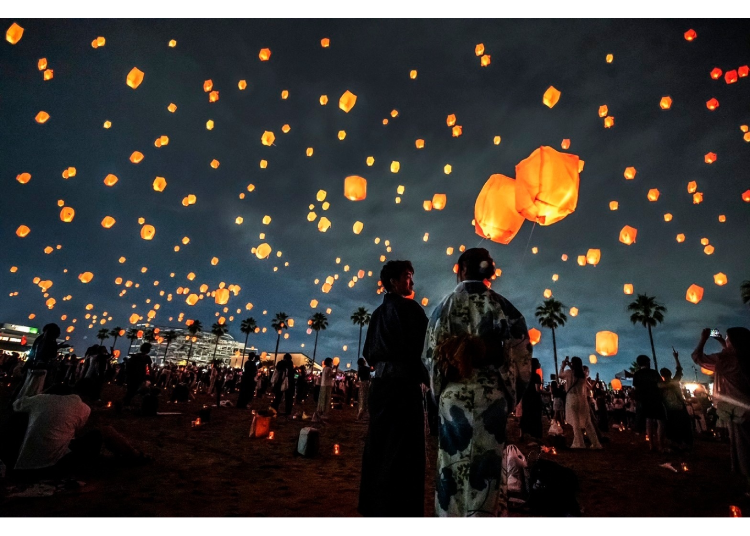
Warm lantern light stretched above me, gently swaying in the evening breeze. The deep rhythm of taiko drums echoed through the air, steady and alive, like a heartbeat guiding everyone forward.
The smell of grilled yakitori and sweet festival snacks drifted past, pulling me toward rows of small food stalls. A child laughed nearby. A couple in matching yukata walked hand in hand. Somewhere, a group of locals began to dance in a circle, their movements simple, inviting.
And before I realized it, I wasn’t standing outside anymore.
I was part of it.
That’s the quiet magic of Japanese festivals.
You don’t need an invitation. You don’t need perfect understanding. You just step in… and the experience gently welcomes you.
3. What makes festivals feel intimidating?
Of course, that first step can still feel difficult.
Many travelers hesitate for very real reasons.
There isn’t always clear information in English. The rules aren’t written on signs. And because festivals are deeply rooted in local culture, it’s easy to assume they’re only meant for the community.
You might worry about small things—how to behave, where to stand, when to take photos. Or bigger things, like standing out too much or accidentally offending someone.
At the heart of it, though, the fear usually comes down to one simple feeling:
“I don’t know what I’m supposed to do.”
And when we don’t know, we imagine the worst.
But here’s the truth most people don’t tell you.
4. Festivals are more welcoming than you think
Japanese festivals are not closed spaces.
They are celebrations—of seasons, of traditions, of community. And celebrations, by nature, are meant to be shared.
You don’t need to speak fluent Japanese. You don’t need to memorize every rule.
In fact, most of what you need already comes naturally.
A small smile. A respectful attitude. A willingness to observe and follow the flow around you.
That’s enough.
I’ve seen locals gently guide visitors who looked unsure, pointing them toward food stalls or showing them where to stand during a performance. I’ve seen strangers exchange smiles over something as simple as choosing the same snack.
There is a quiet kindness in these spaces.
And once you feel it, the anxiety begins to soften.
5. Simple tips to help you feel at ease
Let me share a few small things that can make your first festival experience much more comfortable.
When it’s crowded, move slowly and follow the natural flow of people. There’s no need to rush—festivals are meant to be enjoyed at an easy pace.
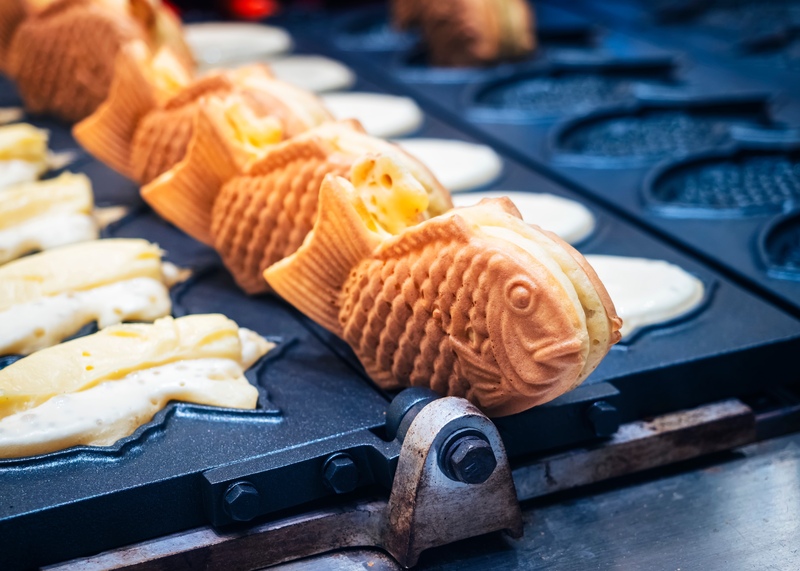
Buying food is simpler than it looks. You can point, smile, and hand over cash. A few basic words like “this one” or even just a gesture is perfectly fine.
You might notice that trash bins are limited. Many people carry their trash with them until they find a proper place to dispose of it. Doing the same is always appreciated.
If you’d like to take photos, just be mindful of people around you. A quick glance or a small nod can go a long way in showing respect.
And when it comes to clothing, comfort is key. But if you feel a little adventurous, trying a yukata can make the experience feel even more special.
You don’t have to be perfect.
You just have to be present.
6. Finding the right festival for you
If it’s your first time, you might wonder where to start.
Summer festivals are often the easiest and most welcoming. Fireworks lighting up the night sky, open spaces, and a relaxed atmosphere make them perfect for beginners.
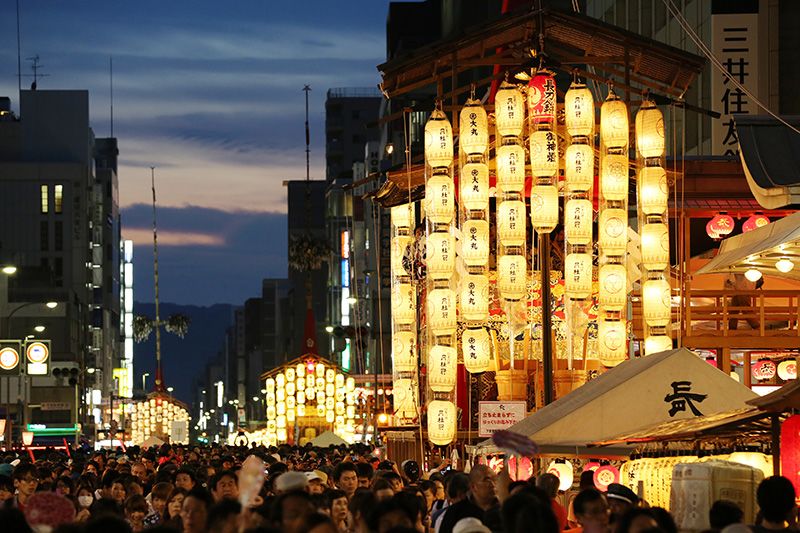
In places like Kyoto, traditional festivals offer a deeper glimpse into history—beautiful, structured, and unforgettable. They may feel a little more formal, but they are still open to visitors.
And then there are small, local festivals.
These are often the most intimate and surprising. A quiet neighborhood, a few lanterns, children playing, neighbors gathering—it may not look grand, but sometimes these moments stay with you the longest.
There is no “perfect” choice.
Wherever you go, the experience will find you.
7. Becoming part of the moment
At some point during the festival, something shifts.
Maybe it’s when you take your first bite of freshly made street food. Or when you hear the music and notice your body gently moving with the rhythm.
If you see people dancing in a circle—this is often Bon Odori—you can join. The movements are simple, and no one expects perfection.
Just follow along.
If you’re wearing a yukata, you might feel it even more—the soft fabric, the slow steps, the sense that you’ve stepped into a different pace of life.
And in those moments, you’re no longer just visiting Japan.
You’re experiencing it from within.
8. Your unforgettable moment is waiting
It’s natural to feel uncertain before trying something new, especially in a different country.
But Japanese festivals have a quiet way of turning that uncertainty into something warm and unforgettable.
What once felt unfamiliar begins to feel welcoming.
What once felt distant becomes personal.
And one evening, under the soft glow of lanterns, you may find yourself thinking:
“I’m really here… and I’m so glad I came.”
Your perfect festival moment is waiting.
All you have to do… is take that first step.


comment