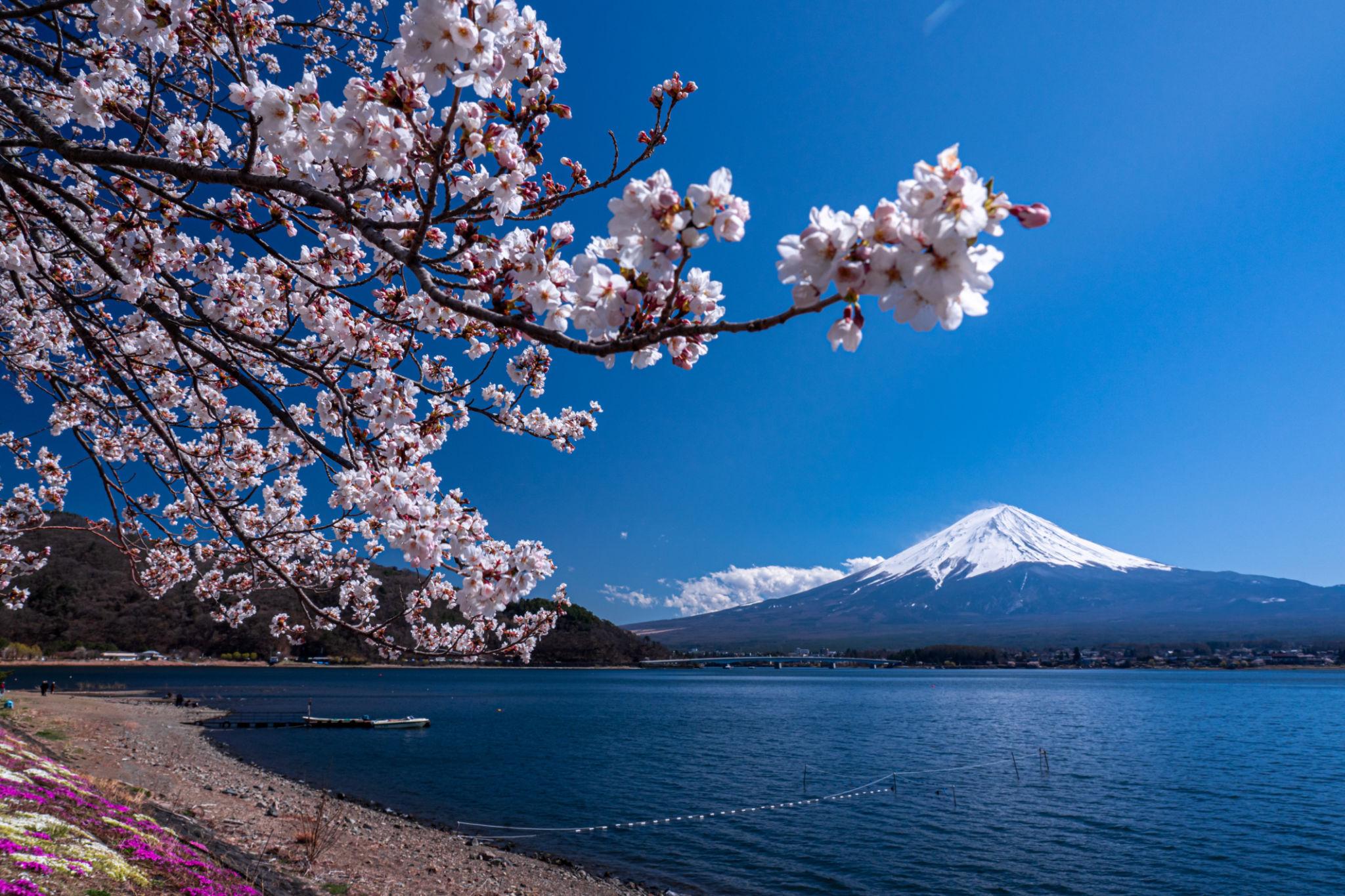
- Introduction – When Is the Best Time to Visit Japan?
- The Biggest Question Travelers Have
- Understanding Japan’s Four Seasons
- Best Season for First-Time Visitors
- Best Time to See Cherry Blossoms
- When Japan Is Most Crowded
- Cheapest Time to Visit Japan
- Best Time for Different Travel Styles
- Quick Summary: Best Time to Visit Japan
- Final Tips for First-Time Visitors
Introduction – When Is the Best Time to Visit Japan?
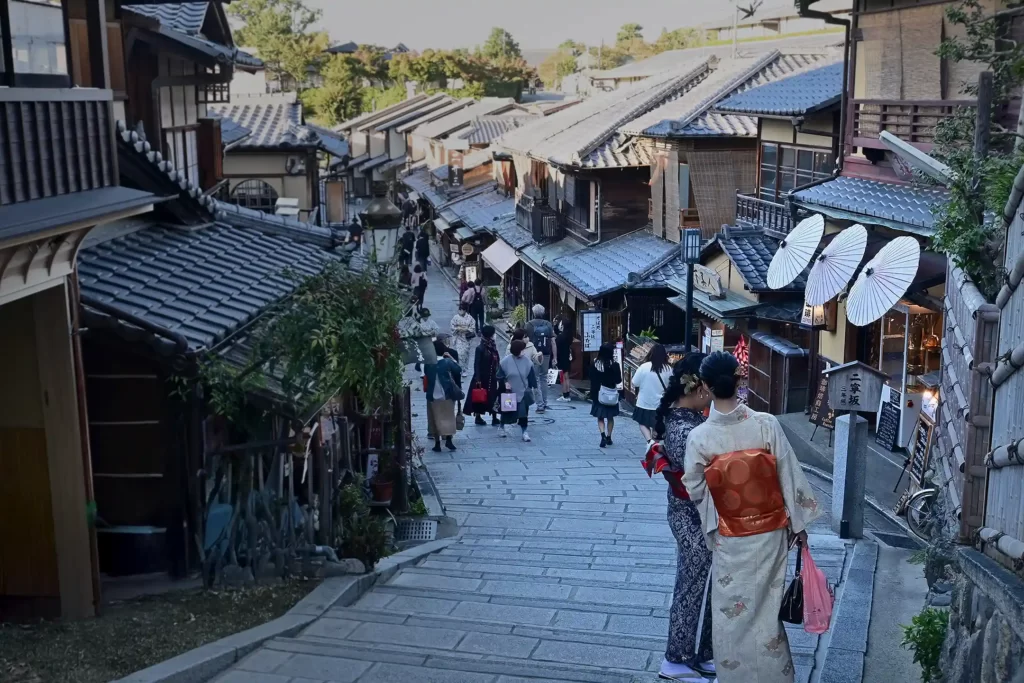
If you are planning your first trip to Japan, you may already be feeling both excited and a little uncertain. Japan is a country that many travelers dream about for years — a place where ancient temples stand beside modern cities, where delicate seasonal beauty shapes daily life, and where every street seems to hold a new discovery.
Yet one question almost every traveler asks at the beginning of the journey is simple: When is the best time to visit Japan?
Unlike many destinations, Japan changes dramatically throughout the year. Cherry blossoms appear in spring, vibrant festivals fill the summer nights, autumn forests glow with red and gold leaves, and winter landscapes become peaceful worlds of snow and hot springs.
Because of this, there is no single perfect time for everyone. The best season depends on what you hope to experience.
In this guide, I will help you understand Japan’s seasons, avoid common travel concerns, and choose the time that fits your dream trip. With a little guidance, the question that once felt confusing can become the beginning of something exciting — the moment when your journey to Japan truly begins.
The Biggest Question Travelers Have
“When should I visit Japan?”
For many first-time visitors, choosing the timing of a trip can feel overwhelming. You may have seen photos of cherry blossoms floating through temple gardens or glowing autumn leaves surrounding ancient shrines. Perhaps you have heard about lively summer festivals or peaceful winter hot springs.
Naturally, travelers begin asking important questions.
When can I see cherry blossoms?
Which months have the most comfortable weather?
When is Japan most crowded?
Is there a time when travel is more affordable?
The truth is reassuring: Japan can be wonderful to visit throughout the entire year. Each season reveals a different side of the country’s beauty and culture.
However, understanding how the seasons change can help you travel more confidently. Weather conditions, tourist crowds, and prices vary depending on the time of year. Knowing what to expect allows you to choose the moment that best matches your interests and travel style.
Once you begin to see how Japan’s four seasons shape the country, planning your journey becomes much easier — and far more exciting.
Understanding Japan’s Four Seasons
One of the most special aspects of Japan is its clear and beautiful seasonal cycle. Nature changes dramatically every few months, and these shifts influence festivals, food, and everyday life across the country.
Spring (March – May)
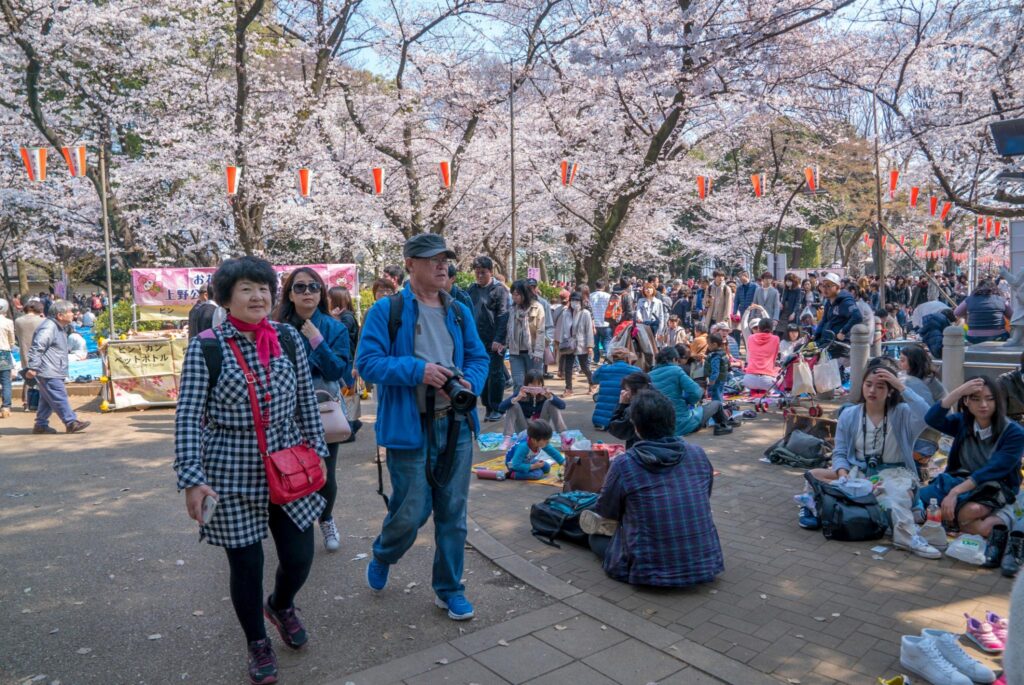
Spring is perhaps the most famous season in Japan. During late March and early April, cherry blossoms — called sakura — bloom across parks, rivers, and temple grounds. The soft pink petals create scenes that feel almost dreamlike.
The weather during spring is generally mild and comfortable, making it ideal for walking through cities like Tokyo, Kyoto, or Osaka. Many people gather in parks for hanami, the tradition of enjoying cherry blossoms with friends and family.
For first-time travelers, spring often feels like stepping into the Japan they have always imagined.
Summer (June – August)
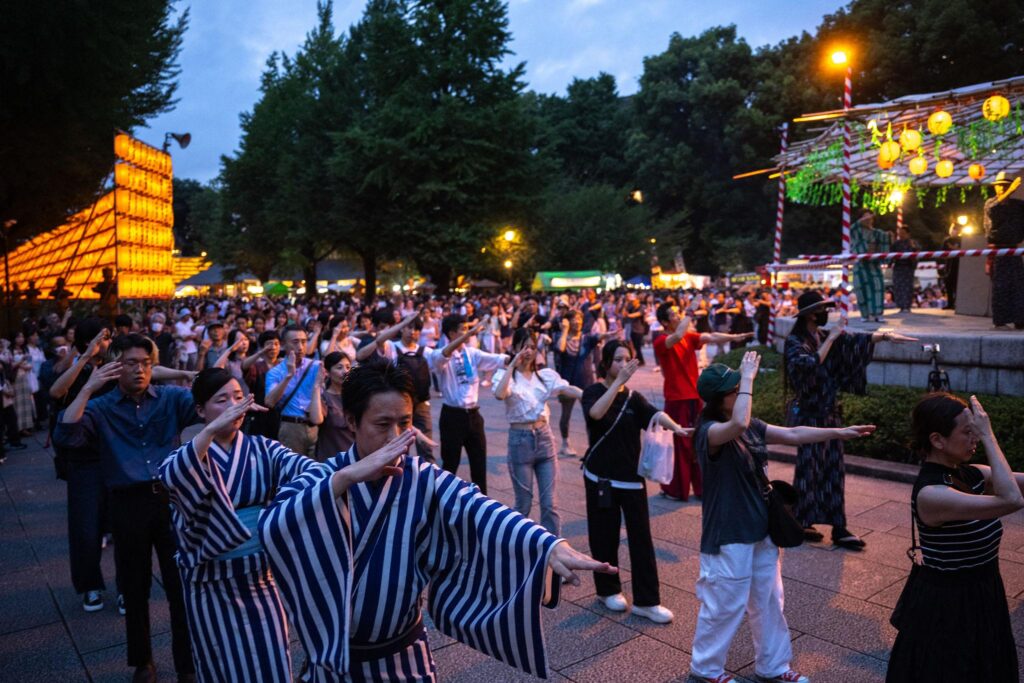
Summer brings energy and celebration. Cities and towns host colorful matsuri, traditional festivals filled with music, lanterns, and street food. At night, spectacular fireworks light up the sky across the country.
June marks the beginning of Japan’s rainy season, but by July and August the weather becomes warm and lively. Many travelers explore mountains, coastal areas, and island destinations during this time.
Although summer can be hot and humid, the joyful atmosphere of festivals creates unforgettable travel memories.
Autumn (September – November)
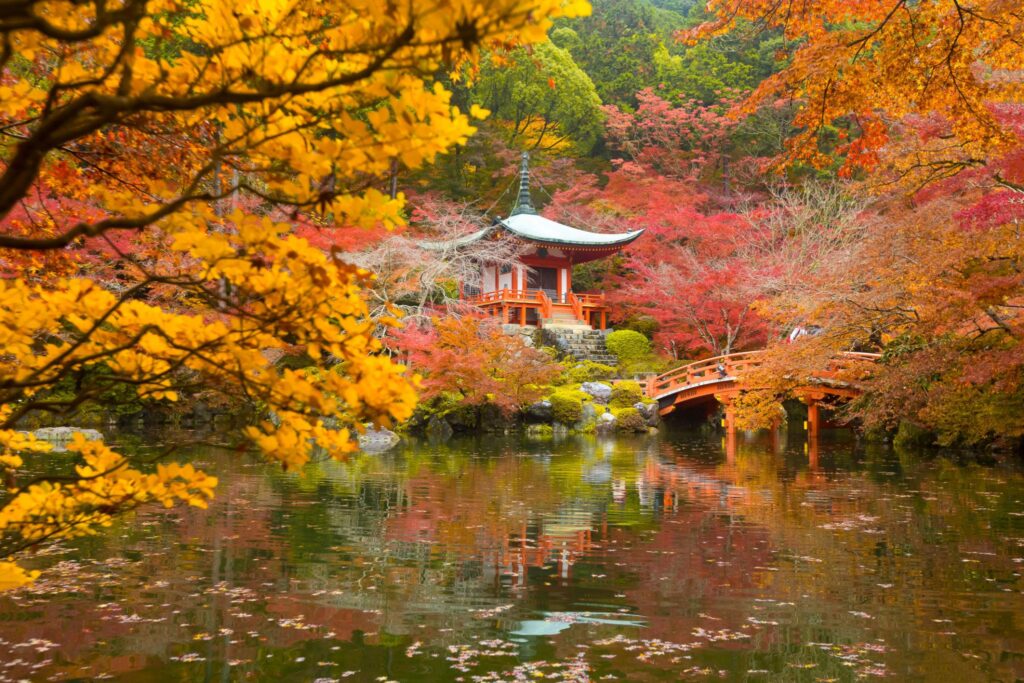
Autumn is widely considered one of the most comfortable seasons to visit Japan. The intense summer heat fades, and the air becomes fresh and pleasant.
From October to November, forests and gardens transform into vibrant shades of red, orange, and gold. This phenomenon, known as koyo, draws visitors to temples, mountain paths, and scenic parks.
For photographers and nature lovers, autumn offers some of the most breathtaking landscapes in Japan.
Winter (December – February)
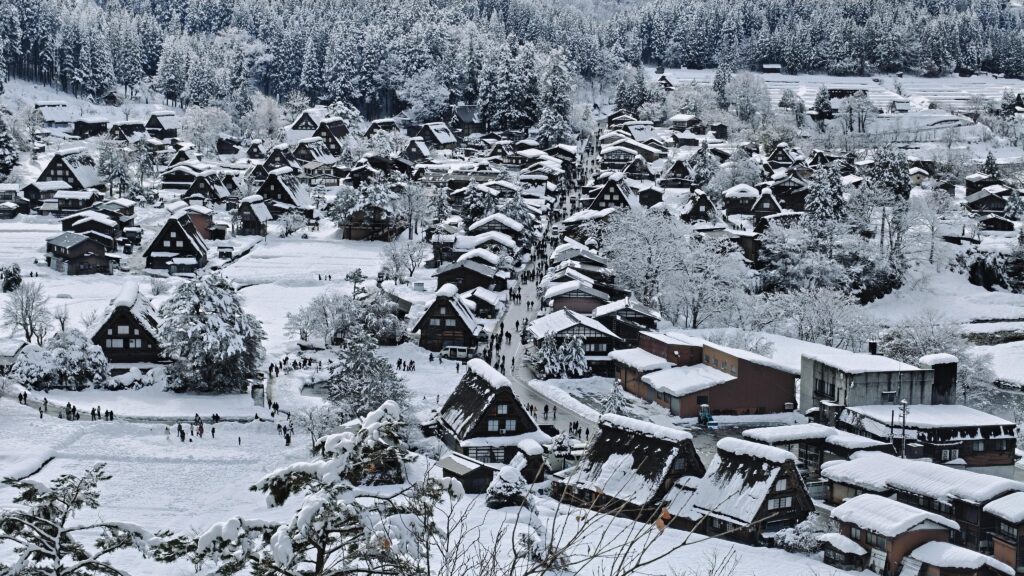
Winter reveals a quieter and more peaceful side of the country. Northern regions such as Hokkaido and Nagano become snowy wonderlands famous for skiing and snow festivals.
At the same time, winter is the perfect season to experience onsen, Japan’s traditional hot springs. Soaking in warm mineral water while surrounded by snowy scenery can feel incredibly relaxing.
Cities also glow with beautiful winter illuminations, creating a magical atmosphere after sunset.
Best Season for First-Time Visitors
While every season offers unique experiences, spring and autumn are often the best choices for first-time visitors.
During these seasons, the weather is generally mild and pleasant. Temperatures are comfortable for walking long distances, exploring temples, and discovering neighborhoods without the extreme heat of summer or the cold of winter.
Spring offers the world-famous cherry blossoms, which transform parks and historic sites into breathtaking landscapes. Autumn, on the other hand, fills mountains and gardens with vivid autumn colors that feel equally spectacular.
In particular, April, May, October, and November are widely considered ideal travel months. These periods balance beautiful scenery with comfortable travel conditions.
For many travelers, visiting Japan during these seasons feels like witnessing the country at its most iconic — a moment when nature, culture, and atmosphere come together perfectly.
Best Time to See Cherry Blossoms
For countless travelers, the dream of visiting Japan begins with cherry blossoms.
Every spring, delicate sakura flowers bloom across the country, creating scenes that seem almost unreal. Soft pink petals drift through the air, temples appear surrounded by flowers, and parks fill with people enjoying picnics beneath the blossoms.
In most major cities such as Tokyo, Kyoto, and Osaka, cherry blossoms typically bloom between late March and early April. However, because Japan stretches across a wide range of latitudes, the timing changes depending on the region.
In northern areas like Hokkaido, cherry blossoms usually appear later, often from late April to early May.
It is important to remember that the peak bloom period only lasts about one week. Because of this short window, many travelers carefully plan their trips months in advance.
If seeing cherry blossoms is your dream, booking accommodation early is strongly recommended. The effort is worthwhile — standing beneath a canopy of sakura petals can feel like stepping into a moment of quiet beauty that stays in your heart long after the journey ends.
When Japan Is Most Crowded
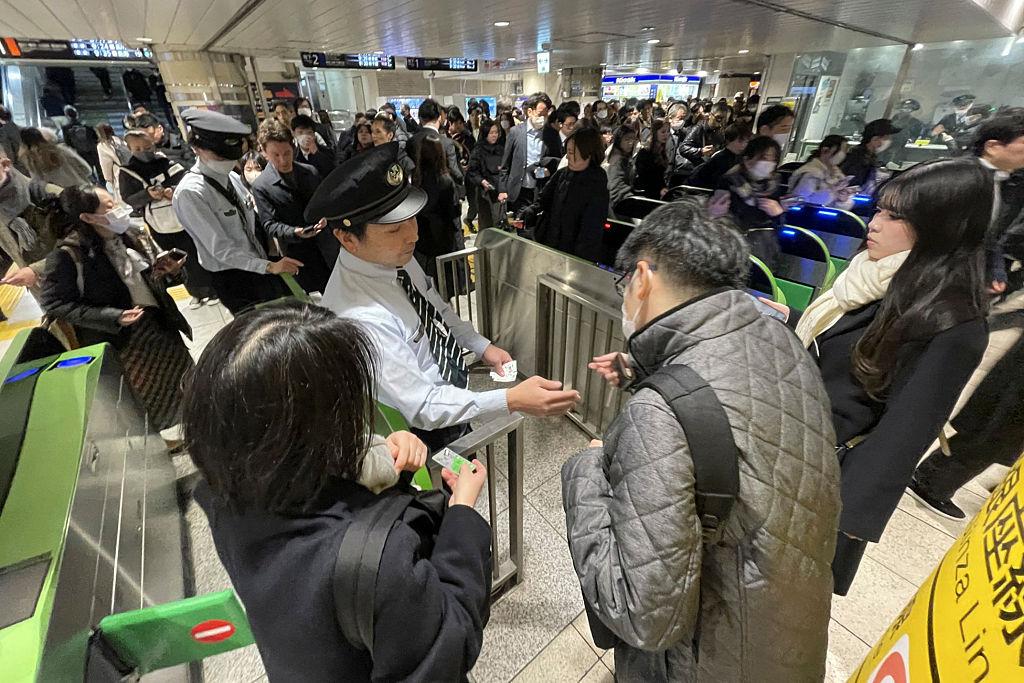
Japan’s popularity as a travel destination means that certain times of the year become extremely busy.
The cherry blossom season is one of the most crowded periods, as travelers from around the world come to witness the brief beauty of sakura. Parks and famous temples can become particularly lively during these weeks.
Another busy time is Golden Week, a series of national holidays that occurs in late April and early May. During this period, many Japanese residents also travel domestically, which increases demand for hotels and transportation.
The New Year holiday in early January is another peak travel period.
If you plan to travel during these times, preparing early is essential. Booking hotels in advance, reserving train tickets, and visiting popular attractions early in the morning can help make your trip smoother and more enjoyable.
Cheapest Time to Visit Japan
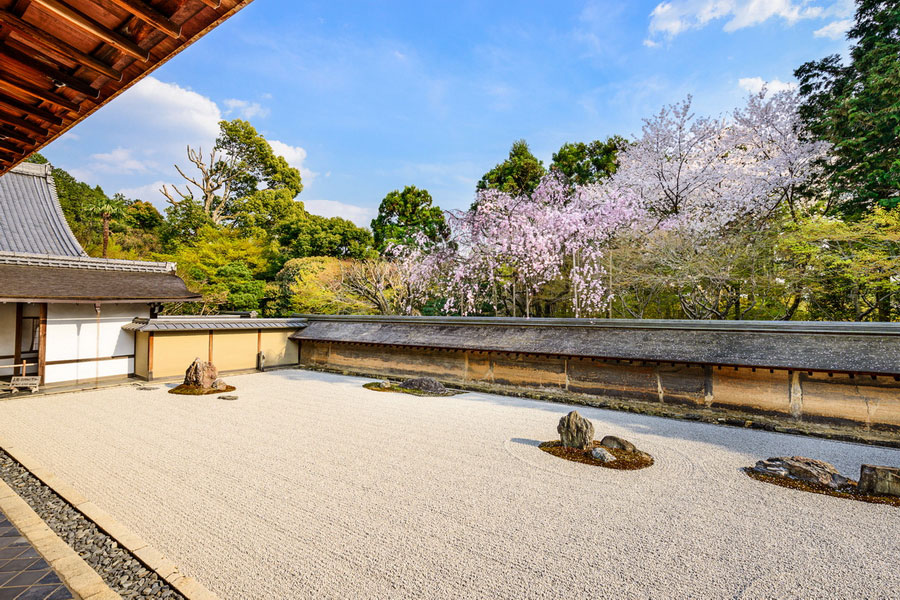
If you are hoping to travel while keeping costs lower, there are several periods when visiting Japan can be more affordable.
One of the best times is mid-January through February, after the New Year holiday has ended. During this period, tourism slows slightly, and hotel prices often become more reasonable.
Another quieter period is June, which is part of Japan’s rainy season. While occasional rain showers are common, many attractions remain open and beautiful.
September, after the summer vacation season, can also offer more affordable travel options.
Traveling during these months often means fewer crowds and easier reservations. While the weather may not always be perfect, many visitors discover that the calmer atmosphere allows them to explore Japan at a more relaxed pace.
Best Time for Different Travel Styles
Every traveler has a different vision of their ideal journey. Fortunately, Japan offers experiences that match many interests.
For nature lovers, spring and autumn provide the most spectacular scenery. Cherry blossoms in spring and colorful foliage in autumn transform landscapes into living paintings.
For those interested in cultural festivals, summer is the most exciting season. Traditional matsuri fill streets with music, lanterns, and vibrant celebrations.
Travelers seeking snow and winter sports should consider visiting during winter. Ski resorts in Hokkaido and Nagano attract visitors from around the world.
And for photography enthusiasts, both cherry blossom season and autumn foliage offer unforgettable visual beauty.
By choosing the season that matches your interests, your trip to Japan can become even more meaningful.
Quick Summary: Best Time to Visit Japan
To help you quickly review the key ideas, here is a simple overview
| Travel Purpose | Best Time |
| First visit | April, May, October |
| Cherry blossoms | Late March – Early April |
| Autumn foliage | November |
| Festivals | July – August |
| Budget travel | January, June |
Each season offers something unique, and understanding these patterns helps you choose the timing that fits your goals.
Final Tips for First-Time Visitors
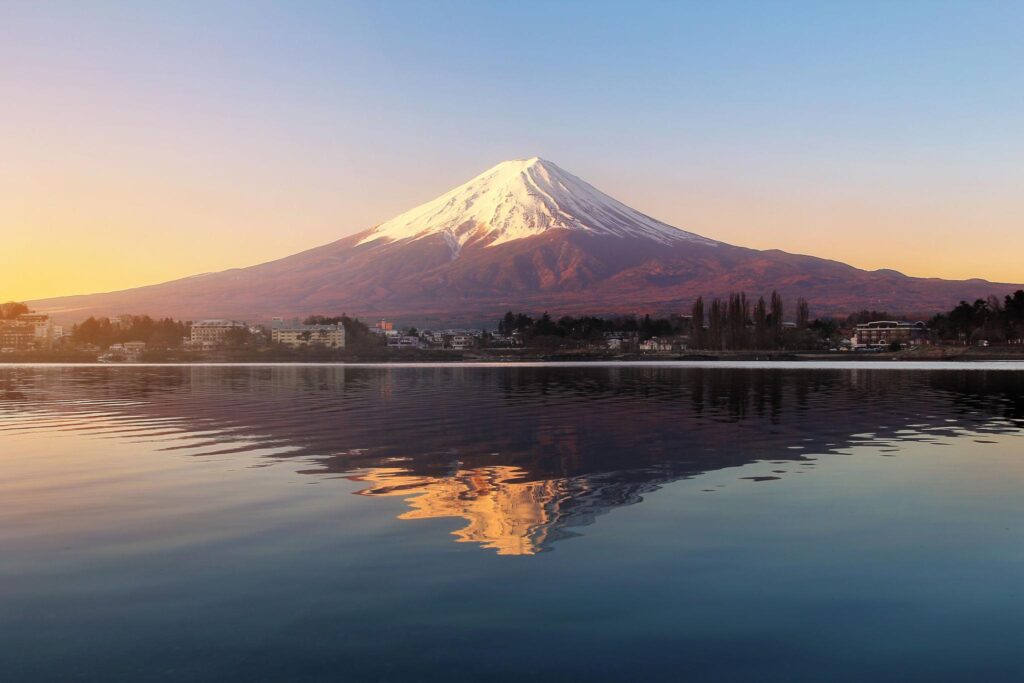
The most important thing to remember is simple: Japan is beautiful in every season.
Whether you walk beneath cherry blossoms in spring, watch fireworks in the summer sky, admire glowing autumn leaves, or relax in a snowy hot spring, each moment reveals a different side of the country.
For many first-time visitors, spring or autumn provides the easiest and most comfortable travel experience. Planning early, especially during popular seasons, helps ensure a smooth journey.
But beyond schedules and weather, Japan offers something deeper — a sense of discovery that often surprises travelers. As you explore quiet temples, lively streets, and peaceful landscapes, you may find yourself feeling lighter, calmer, and closer to the version of yourself that loves to explore the world.
And that is when the journey truly begins.

コメント