Introduction – It’s Okay to Feel Unsure
If you’re planning your first trip to Japan, you’re probably feeling a mix of excitement and quiet anxiety.
I remember talking to a traveler who said, “I really want to visit shrines and temples… but I’m afraid I’ll do something wrong.”
Maybe you feel the same.
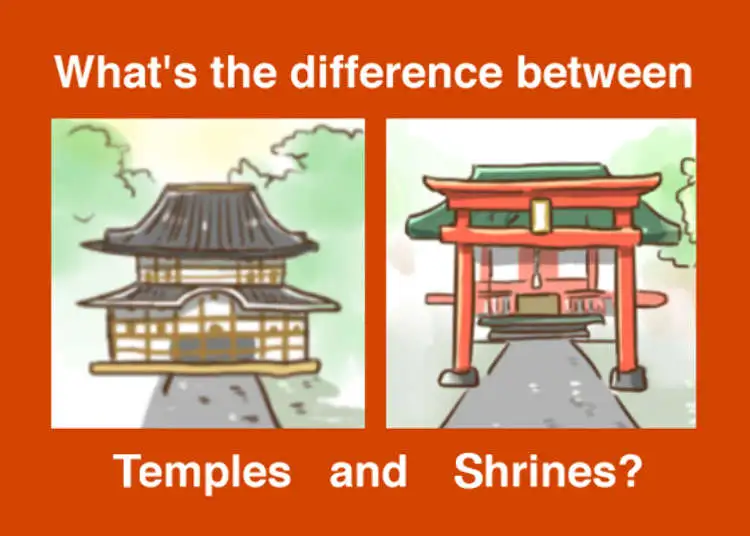
What’s the difference between a shrine and a temple?
Do you need to follow strict rules?
What if you accidentally act disrespectfully?
These questions are completely normal.
Japan can feel mysterious at first. The traditions, the rituals, even the silence—it can make you wonder if there are “invisible rules” you don’t understand.
But here’s the truth I want you to know:
You don’t need to be perfect.
You just need to be respectful—and a little curious.
In this guide, I’ll walk you through the difference between shrines and temples in a simple, gentle way. By the end, you’ll feel ready—not nervous—to step into these beautiful places.
The Experience Waiting for You
Imagine this.
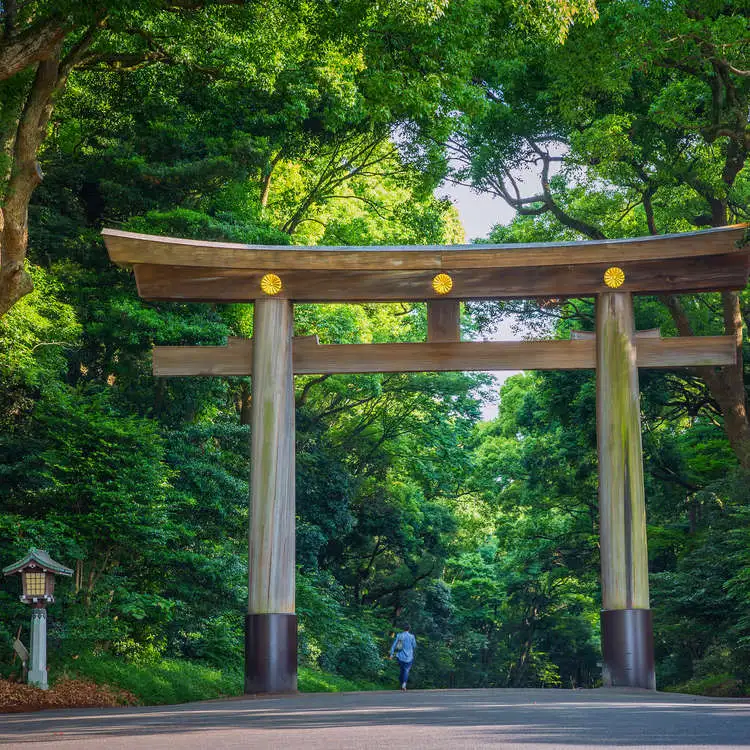
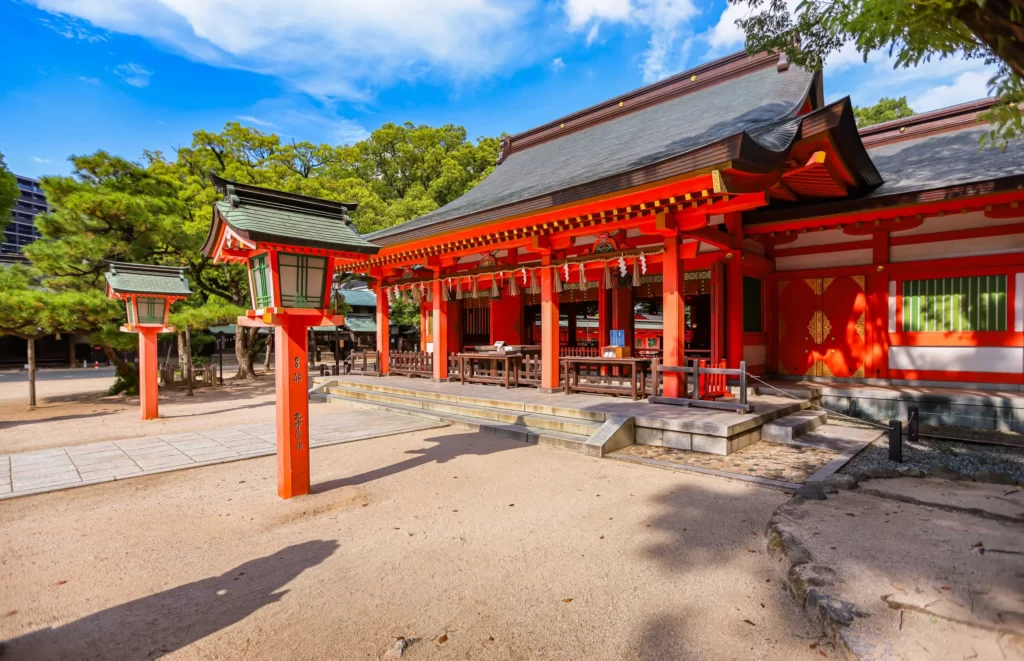
You pass through a tall, quiet gate, and suddenly the noise of the city fades behind you. The air feels different—cooler, softer. Tall trees surround you, and sunlight filters through the leaves.
This is what it feels like to visit a shrine.
Now imagine another place.
A deep bell echoes slowly through the air. The scent of incense drifts gently past you. People stand quietly, hands together, eyes closed for just a moment.
This is a temple.
These places are not just tourist spots. They are spaces where time slows down.
Many visitors tell me that these moments become their favorite memories in Japan—not because of what they saw, but because of how they felt.
Calm. Present. Connected.
And once you understand the difference between a shrine and a temple, these experiences become even more meaningful.
Why It Feels Confusing at First
Let’s be honest—at first glance, shrines and temples can look similar.
Beautiful buildings. Quiet atmosphere. People walking slowly and respectfully.
It’s easy to think: “Aren’t they the same?”
The confusion comes from something deeper.
Japan has two major spiritual traditions: Shinto and Buddhism.
Shrines belong to Shinto. Temples belong to Buddhism.
But here’s the tricky part—these traditions have coexisted for centuries. Sometimes a shrine and a temple stand right next to each other.
And then there are the manners.
Should you bow? Clap? Stay silent? Wash your hands?
It’s not just about understanding—it’s about the fear of making a mistake.
I’ve seen many travelers hesitate at the entrance, unsure of what to do next.
But here’s something important:
No one expects you to know everything.
The Simple Way to Understand Shrines and Temples
Let’s make this easy.
Shrines (Shinto)
Shrines are connected to nature and the spiritual world of kami—which can be understood as gods or sacred spirits.
The easiest way to recognize a shrine is the gate at the entrance, called a torii.
When you walk through it, you are stepping into a sacred space.
Shrines often feel open and natural. You might hear birds, wind, or leaves moving.
A simple way to pray at a shrine is:
- Bow twice
- Clap twice
- Make a wish or prayer
- Bow once more
But don’t worry if you forget the steps. A small bow is always enough.
Temples (Buddhism)
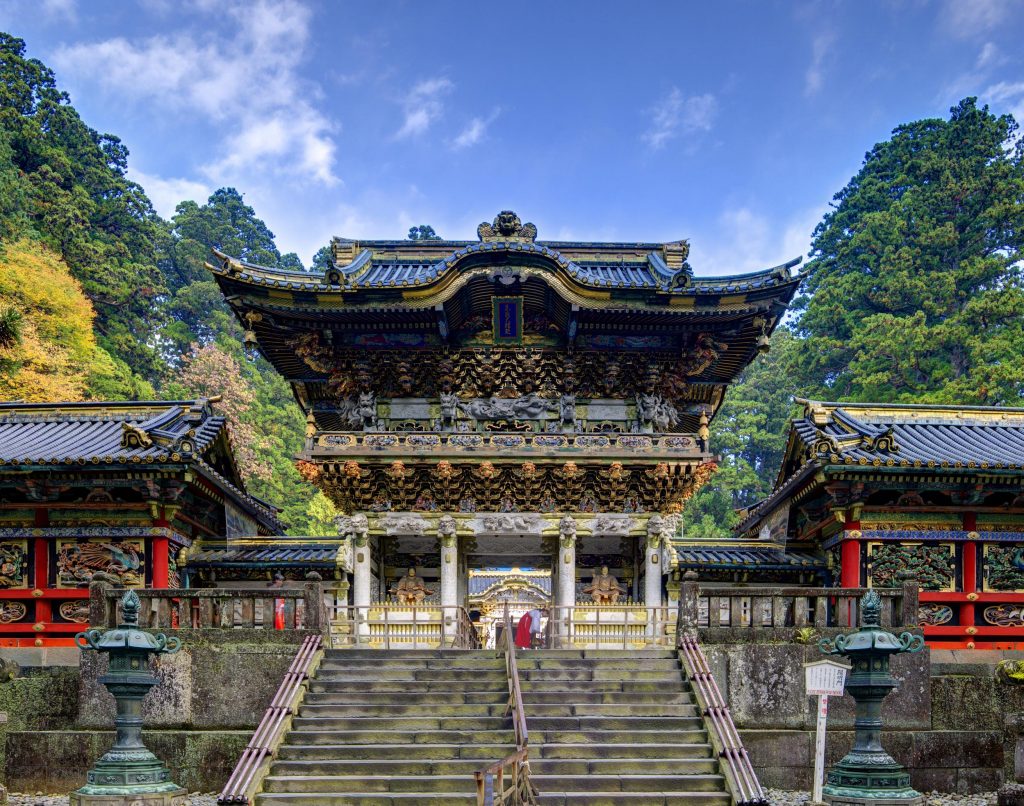
Temples are places of reflection and learning, based on Buddhist teachings.
Instead of a torii gate, you will often see large wooden gates, statues, and sometimes a pagoda.
Inside, you may notice incense, candles, and a statue of Buddha.
At a temple, prayer is quiet:
- Put your hands together
- Close your eyes for a moment
No clapping here—just stillness.
The Easiest Way to Tell the Difference
- See a torii gate? → It’s a shrine
- See a Buddha statue? → It’s a temple
That’s it. You already know enough.
About Manners
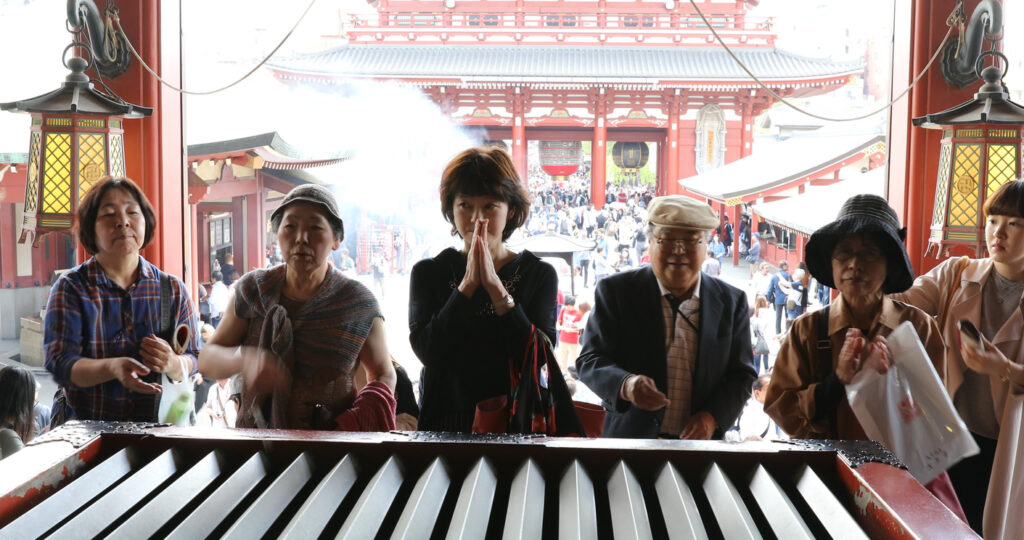
Here’s the most important thing:
Respect matters more than correctness.
Even if your movements are not perfect, your intention will be understood.
A Simple Way to Experience It Yourself
When you arrive in Japan, you don’t need a perfect plan.
Start somewhere easy.
For example, in Tokyo, you can visit
Meiji Shrine
and
Senso-ji Temple
They are very welcoming places for first-time visitors.
When you arrive, pause for a moment.
Look around. Watch how people move.
You’ll notice something interesting—everyone is simply being quiet and respectful. There is no pressure.
Try one small action:
- A gentle bow
- A quiet moment of prayer
Then just walk.
Listen to the sounds. Notice the light. Feel the space.
This is not about doing everything “right.”
It’s about being present.
And slowly, without realizing it, your nervousness will disappear.
From Nervous to Inspired
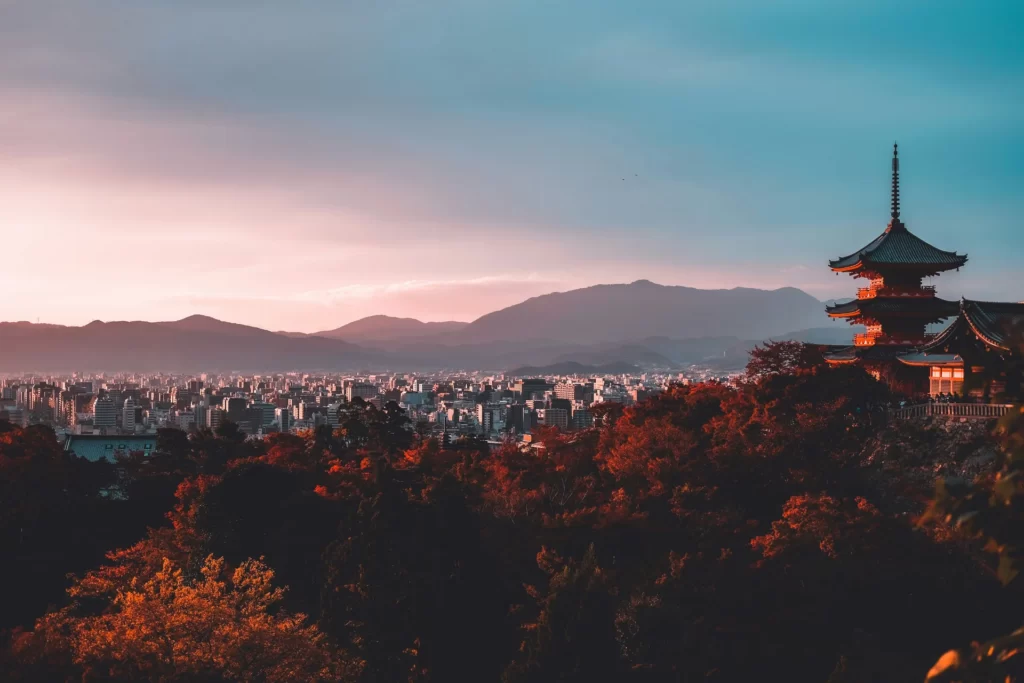
By now, you probably realize something.
Shrines and temples are not difficult places.
They are welcoming places.
With just a little understanding, what once felt confusing becomes something beautiful.
You don’t need to memorize rules.
You don’t need to be perfect.
Just be respectful. Be curious. And allow yourself to experience.
Japan has a quiet way of meeting you halfway.
And one day, you may find yourself standing in a peaceful space, feeling completely at ease, thinking:
“I’m really glad I came.”


comment