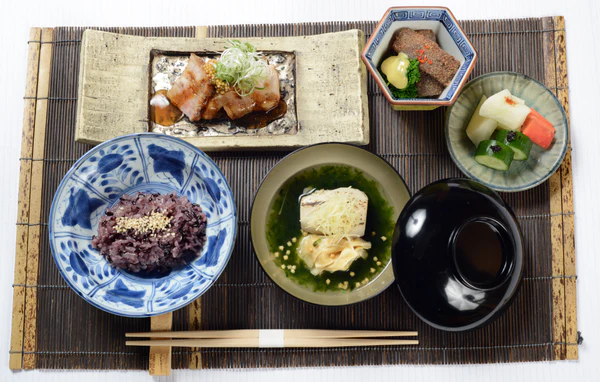
- Feeling Nervous About Table Manners in Japan?
- The Joy of Dining in Japan – What Awaits You
- Why Japanese Table Manners Feel Confusing
- The Good News – You Don’t Need to Be Perfect
- Essential Japanese Table Manners (Simple & Practical)
- Common Mistakes (And Why They’re Not a Big Deal)
- Step-by-Step: Your First Dining Experience in Japan
- Final Thoughts – Relax and Enjoy the Experience
Feeling Nervous About Table Manners in Japan?
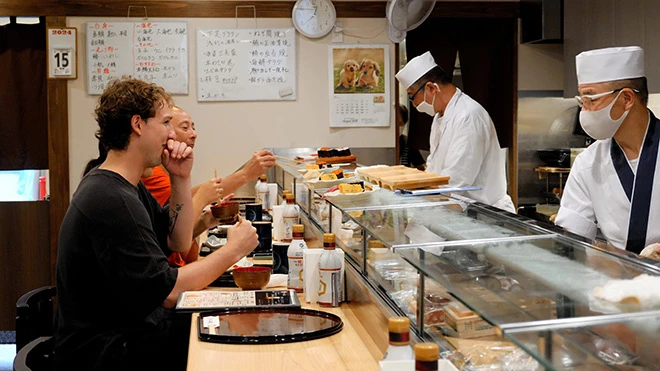
“I really want to try Japanese food… but I’m afraid I’ll do something wrong.”
If that thought has crossed your mind, you’re not alone.
I once met a traveler in Tokyo who said almost the same thing. She had been dreaming about eating ramen in Japan for years. But when she finally arrived, she hesitated at the restaurant door.
“What if I break a rule without knowing?” she asked.
Maybe you feel the same way.
Japan can feel quiet and subtle. In restaurants, people don’t always explain things out loud. There are no big signs telling you what to do. And somehow, it can feel like everyone else already knows the “right way” to behave.
It’s completely natural to feel a little nervous.
But here’s something I want you to remember before anything else:
You don’t need to be perfect.
Japanese table manners aren’t about strict rules or judging people. They’re about something much simpler—respect, awareness, and sharing a moment together.
And once you understand that, everything starts to feel a little easier.
The Joy of Dining in Japan – What Awaits You
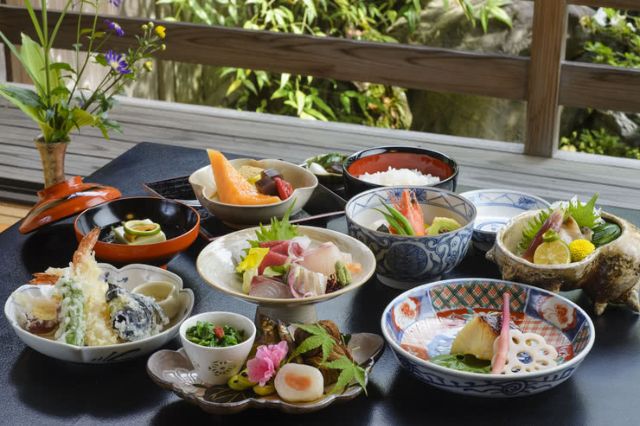
Let me show you what’s waiting for you on the other side of that hesitation.
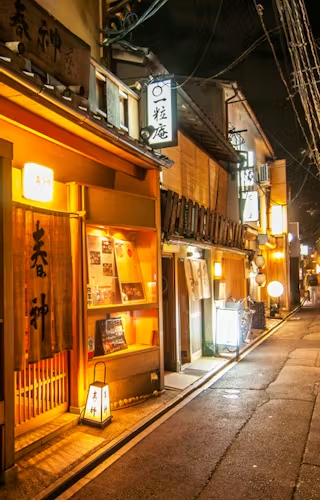
Imagine stepping into a small restaurant in Kyoto. The soft sound of dishes. The gentle greeting of “Irasshaimase.” A warm bowl placed carefully in front of you.
The food is beautiful—almost too beautiful to eat. Each ingredient feels intentional, arranged with quiet care.
In Japan, a meal is more than just eating. It’s an experience.
There’s a sense of calm. No rush. No loud distractions. Just you, the food, and the moment.
And something interesting happens when you understand even a few simple manners.
You begin to feel like you belong there.
Not as an outsider trying to “get it right,” but as someone who can truly enjoy what’s in front of them.
That’s when the experience becomes unforgettable.
Why Japanese Table Manners Feel Confusing
So why does it feel so intimidating at first?
One reason is that many rules in Japan are not explained directly. They are learned by watching others.
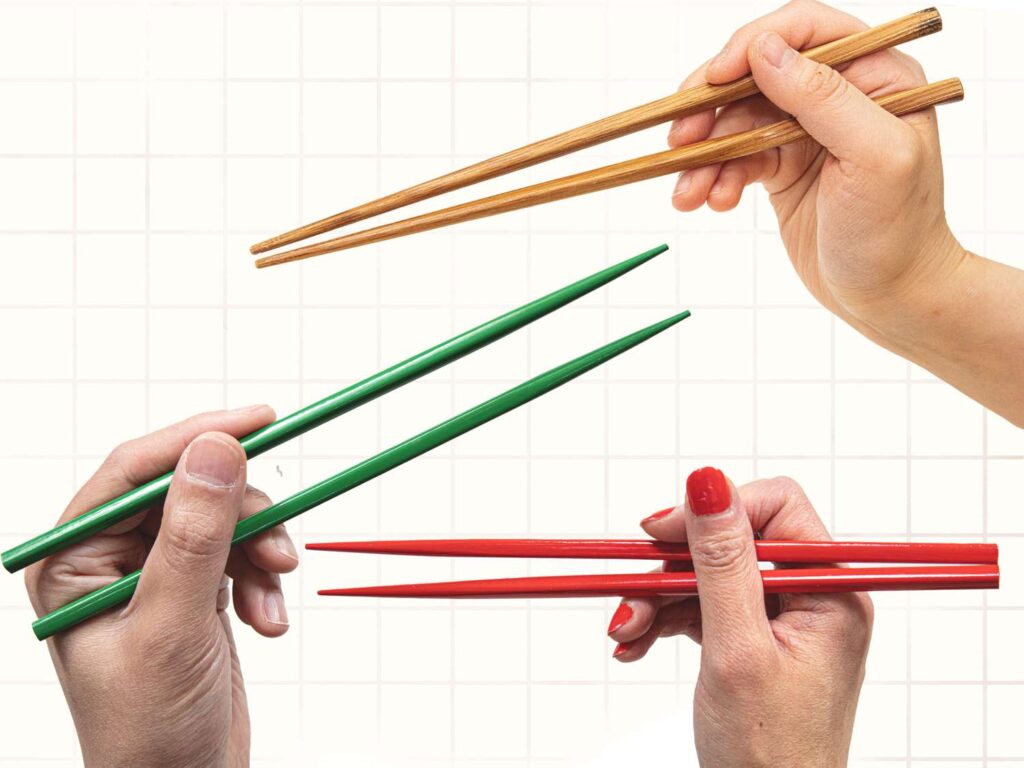
For example, no one may tell you how to use chopsticks properly. Or whether it’s okay to make noise while eating noodles.
And if you come from a different culture, some things can feel surprising.
In many Western countries, making noise while eating is considered rude. But in Japan, slurping noodles can actually be a sign that you’re enjoying your meal.
That difference alone can make anyone hesitate.
But here’s the key that makes everything simpler:
Japanese table manners are not about memorizing rules.
They are about thinking of others.
Once you see it that way, the “mystery” starts to disappear.
The Good News – You Don’t Need to Be Perfect
Let’s take a deep breath here.
Because this is important.
No one expects you to be perfect.
Japanese people understand that visitors come from different cultures. If you make a small mistake, most people won’t even think twice about it.
In fact, what they notice most is your attitude.
Are you trying?
Are you being respectful?
Are you open to learning?
That’s what matters.
I’ve seen travelers struggle with chopsticks, laugh a little, and then keep going—and those moments often become the most memorable.
So instead of aiming for perfection, aim for something much simpler:
Be present.
Be respectful.
And allow yourself to enjoy.
Essential Japanese Table Manners (Simple & Practical)
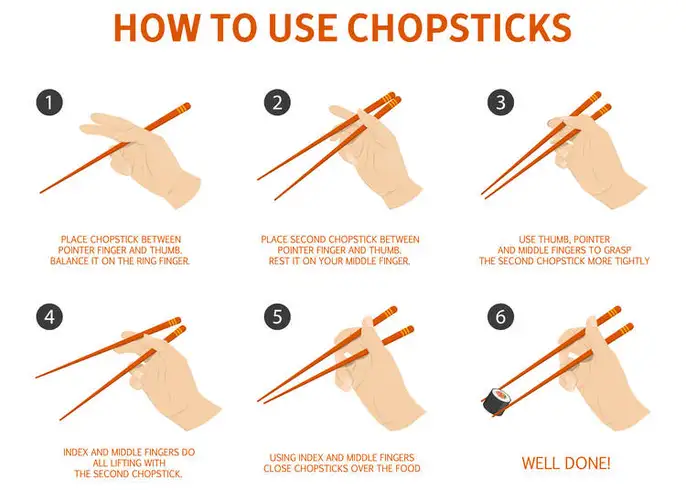
Now, let’s go through a few simple things that will help you feel more comfortable right away.
Before you start eating, you might hear people say “Itadakimasu.”
You don’t have to say it perfectly—a small nod or quiet “thank you” feeling is enough.
When using chopsticks, there are just a couple of things to remember.
Avoid sticking them upright into a bowl of rice. And try not to pass food directly from one pair of chopsticks to another. If there’s a chopstick rest, place them there when you’re not using them.
During the meal, you might notice something surprising.
If you’re eating ramen or soba, it’s okay to slurp.
Actually, it’s quite normal.
You may also see people gently lift small bowls, like rice or miso soup, closer to their mouth. This isn’t rude—in Japan, it’s considered polite.
If you’re sharing dishes, use the serving utensils if they are available, or the opposite end of your chopsticks.
And when you finish, a simple “Gochisosama deshita” or even a small nod shows appreciation.
That’s really it.
You don’t need to remember everything. Just these small things can make a big difference.
Common Mistakes (And Why They’re Not a Big Deal)
Let’s be honest—you might still make a mistake.
And that’s okay.
Maybe you hold your chopsticks a little awkwardly.
Maybe you hesitate too much.
Maybe you’re not sure when to slurp or stay quiet.
These are all completely normal.
In most cases, people won’t judge you at all. If anything, they’ll see that you’re trying—and that effort is appreciated.
If you do feel unsure, a small smile goes a long way. Even a quiet “sorry” is more than enough.
Travel isn’t about being perfect.
It’s about experiencing something new.
Step-by-Step: Your First Dining Experience in Japan
Let’s imagine your first meal in Japan.
You open the door to a small restaurant. A staff member greets you warmly and shows you to your seat.
You look at the menu. Maybe you don’t understand everything—but pointing works just fine. You place your order.
Soon, your meal arrives.
You pause for a moment. Maybe you say “Itadakimasu,” or simply take a breath and smile.
You begin eating. Slowly at first. Then more comfortably.
You notice the flavors. The warmth. The quiet atmosphere around you.
Before you know it, the nervousness you felt earlier has disappeared.
When you finish, you say thank you, stand up, and pay at the register.
And as you step outside, something has changed.
You didn’t just eat a meal.
You experienced Japan.
Final Thoughts – Relax and Enjoy the Experience
If there’s one thing I hope you take with you, it’s this:
Japanese table manners are not there to make you nervous.
They’re there to help you enjoy the moment more deeply.
So don’t worry about getting everything right.
Just be present.
Be curious.
And allow yourself to experience it.
Because somewhere in Japan, there’s a small restaurant waiting for you.
And when you finally sit down and take that first bite, you’ll realize—
You were ready all along.
comment