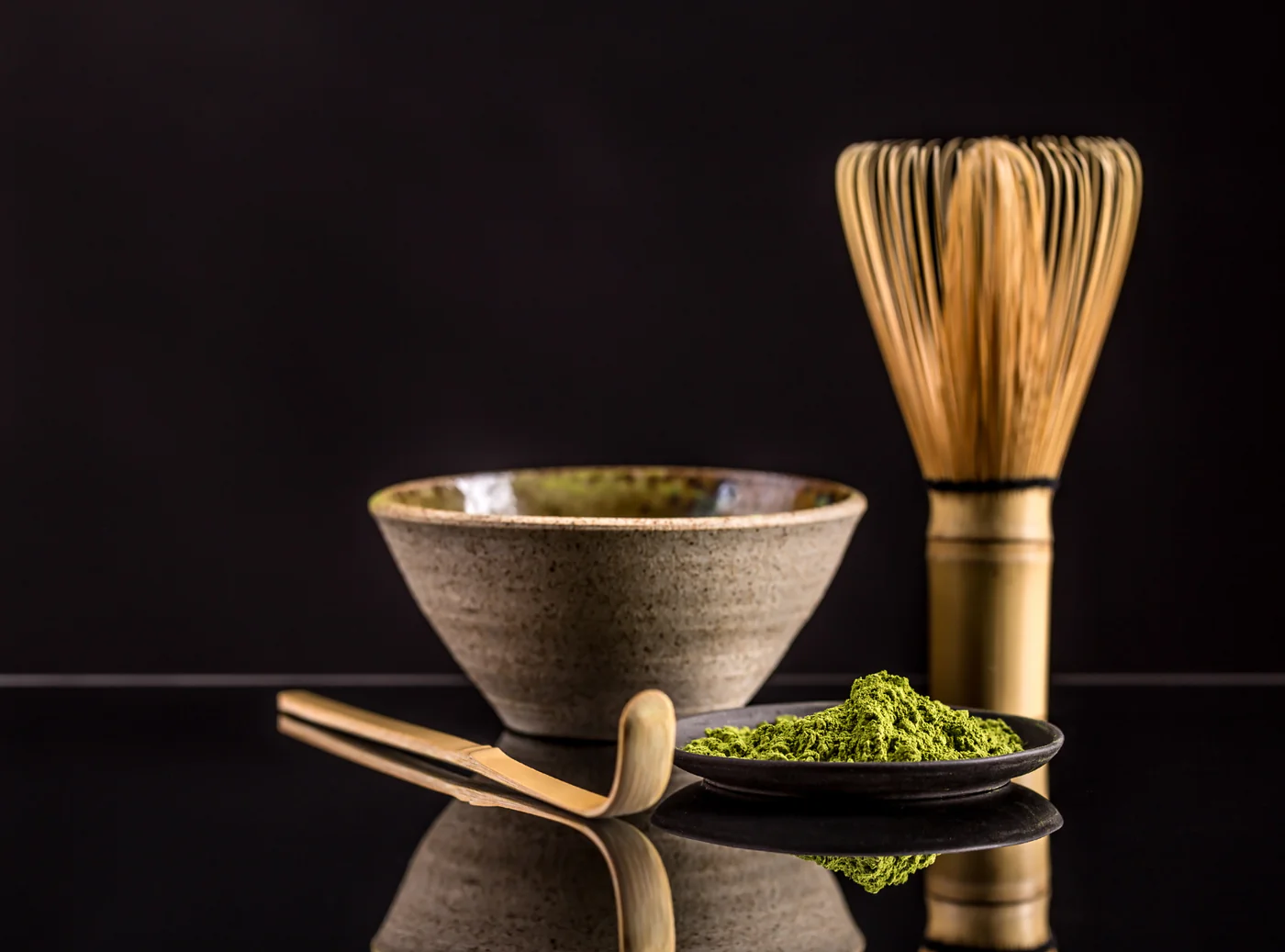
Feeling Nervous About the Tea Ceremony?
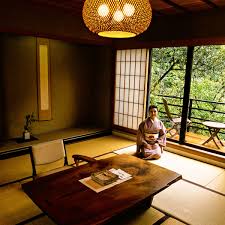
“I really want to try a tea ceremony… but I’m afraid I’ll do something wrong.”
If that thought has crossed your mind, you’re not alone.
I’ve met many travelers in Japan who felt the same way. They were curious, even excited—but also a little anxious. The tea ceremony seems quiet, formal, and full of unspoken rules. You might be wondering:
What if I don’t sit the right way?
What if I forget a step?
What if I accidentally offend someone?
And then there’s the language barrier. What if you don’t understand what’s happening?
These worries are completely normal.
But here’s something I want you to know before anything else:
You don’t need to be perfect.
The tea ceremony is not a test. It’s not about getting everything right. It’s about sharing a moment.
And once you understand that, everything begins to feel a little lighter.
In this guide, I’ll walk you through the experience—not as a strict set of rules, but as something warm, human, and surprisingly welcoming.
Why You Should Try a Tea Ceremony
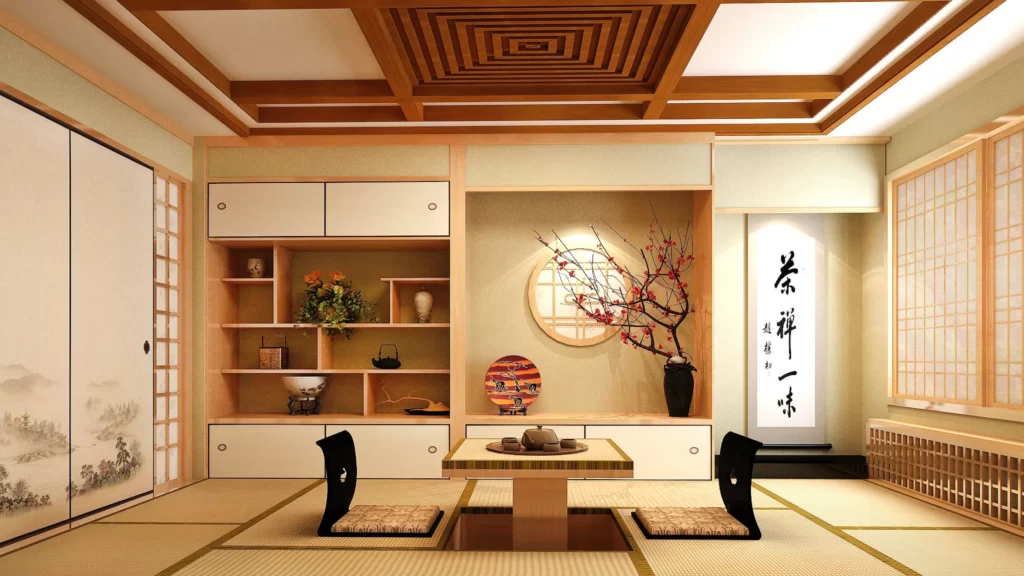
Let me take you there for a moment.
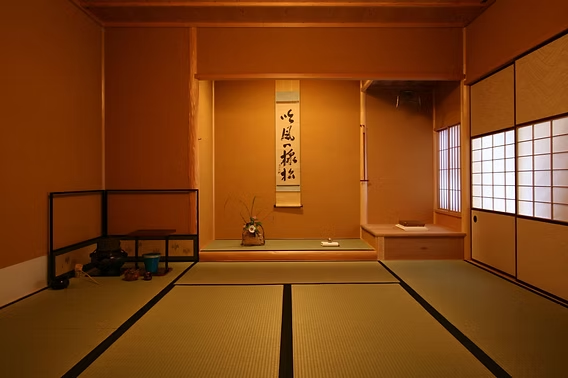
You step into a quiet room. The floor is covered in soft tatami mats. Light filters gently through paper windows. The outside world—the noise, the rush, the endless movement—feels far away.
You sit down.
There’s a calmness in the air. Not silence that feels awkward, but silence that feels… peaceful.
In front of you, a host begins preparing tea. Every movement is slow and deliberate. The sound of the bamboo whisk softly mixing the tea becomes part of the atmosphere.
Nothing is rushed.
Before the tea is served, you’re offered a small, beautifully crafted sweet. It’s delicate, seasonal, and almost too pretty to eat.
And then, finally, the tea.
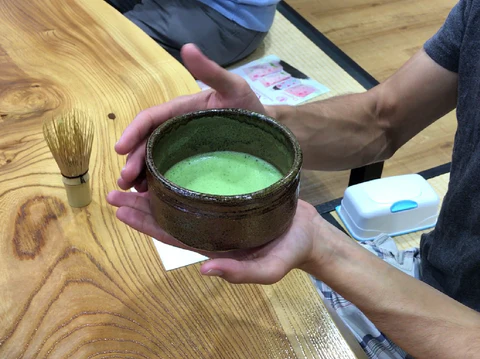
You hold the bowl in your hands. It’s warm. You take a sip.
It’s simple. Slightly bitter. But in that moment, it feels special—because of everything around it.
This is what the tea ceremony really is.
It’s not just about drinking tea. It’s about being present. About noticing small details. About feeling cared for, even in silence.
For many travelers, this becomes one of the most memorable moments of their entire trip.
Why It Feels Intimidating
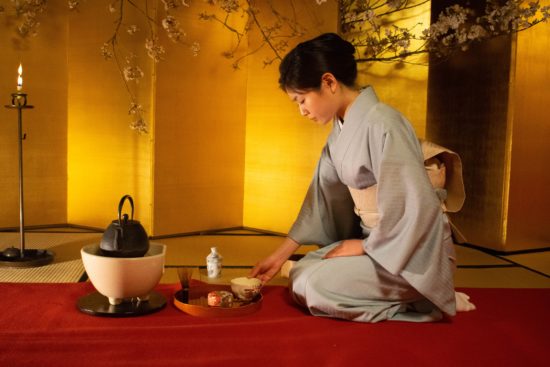
So why does something so peaceful feel so intimidating at first?
Part of it is how it looks from the outside.
The tea ceremony appears very formal. The movements are precise. The setting is traditional. There aren’t always clear instructions, and that can make it feel like there are “hidden rules” you’re expected to know.
If you’re coming from a culture where things are more casual, this can feel a little overwhelming.
You might think:
“There must be a correct way to do everything.”
And that thought creates pressure.
But here’s the truth that often gets missed:
The tea ceremony is not about judging guests.
It’s not about watching you to see if you make a mistake.
At its heart, it’s about respect, mindfulness, and hospitality.
Once you understand that, the “rules” start to feel less like rules—and more like gentle guidance.
The Truth – It’s More Welcoming Than You Think
In reality, most tea ceremony experiences—especially those open to travelers—are designed with beginners in mind.
Hosts know that many guests are trying this for the first time. They don’t expect you to know everything.
In fact, they expect you not to.
Many places offer simple explanations, sometimes even in English. The host may quietly guide you, or demonstrate what to do. You’re never left completely on your own.
And if you make a mistake?
It’s okay.
Truly.
What matters most is your attitude—not your accuracy.
If you are respectful, attentive, and open to the experience, that is already enough.
I’ve seen guests hesitate at first—unsure where to place their hands, unsure when to bow. But within minutes, they relax. They realize no one is judging them.
They are simply being welcomed.
And that changes everything.
Easy Etiquette – Just a Few Things to Remember
You don’t need to memorize a long list of rules.
In fact, a few simple things will carry you through the entire experience.
When you enter the tea room, a small bow is enough to show respect.
Sit quietly and observe what’s happening around you. There’s no need to rush or fill the silence.
Before drinking the tea, you can give a small nod or say a quiet “thank you.” Even a gentle smile is meaningful.
When you receive the tea bowl, you may be shown how to turn it slightly before drinking. If you forget, don’t worry—just follow along as best as you can.
And here’s a helpful tip:
If you’re unsure, look at others.
It’s perfectly acceptable to learn by observing.
The most important thing is not perfection. It’s your presence.
What Actually Happens – Step by Step
Let’s walk through the experience together, so you know exactly what to expect.
When you arrive, you’ll be greeted and guided to the tea room.
You remove your shoes and step onto the tatami floor. There’s something soft and grounding about it.
You take your seat.
Sometimes you’ll sit on your knees, but in many places, chairs are available—especially for international guests. Comfort matters.
A small sweet is served first. You’re encouraged to enjoy it before the tea. Its sweetness balances the bitterness of the matcha.
Then, the host begins preparing the tea.
You watch as each movement unfolds—slow, careful, intentional. The sound of water being poured. The soft whisking. The quiet rhythm of the moment.
When your tea is ready, it’s placed in front of you.
You receive the bowl, perhaps with a small bow.
You turn it slightly, as shown.
And then, you drink.
There’s no rush. No pressure.
Just a moment.
Afterward, you may admire the bowl, noticing its texture or design. Then you return it gently.
At the end, you express thanks—again, a small bow or a quiet word is enough.
And just like that, the experience comes to a close.
Simple. Calm. Memorable.
A Few Helpful Tips
If it’s your first time, here are a few things that might help you relax even more.
Follow others when you’re unsure—it’s completely okay.
Don’t worry about small mistakes. They’re part of the experience.
If you need help, you can softly ask, “Is this okay?” Most hosts will respond kindly.
Wear comfortable clothing, and try to arrive on time so you can fully settle into the atmosphere.
Most importantly, allow yourself to slow down.
That alone will help you connect with the experience.
A Small Step into Something Beautiful
At the end of the day, the tea ceremony is not about doing things perfectly.
It’s about sharing a quiet moment.
It’s about being present in a way that we rarely allow ourselves to be.
And for many travelers, that single moment—holding a warm bowl of tea in a peaceful room—becomes something they carry with them long after the trip ends.
So if you’re hesitating, unsure if you should try it…
Take that small step.
You might find that what felt intimidating at first becomes one of the most beautiful memories of your journey in Japan.
And in that moment, you may quietly think:
“I’m really glad I did this.”


comment