A Beginner’s Guide for First-Time Visitors to Japan
- Introduction —Why Japanese Culture Fascinates the World
- What Do We Mean by “Japanese Culture”?
- The Core Values Behind Japanese Culture
- Traditional Japanese Culture You Should Experience
- Modern Japanese Culture That Surprises Visitors
- Everyday Japanese Culture Visitors Notice First
- Common Cultural Mistakes Travelers Should Avoid
- How to Experience Japanese Culture Like a Local
- Conclusion — Discover the Beauty of Japanese Culture
Introduction —Why Japanese Culture Fascinates the World
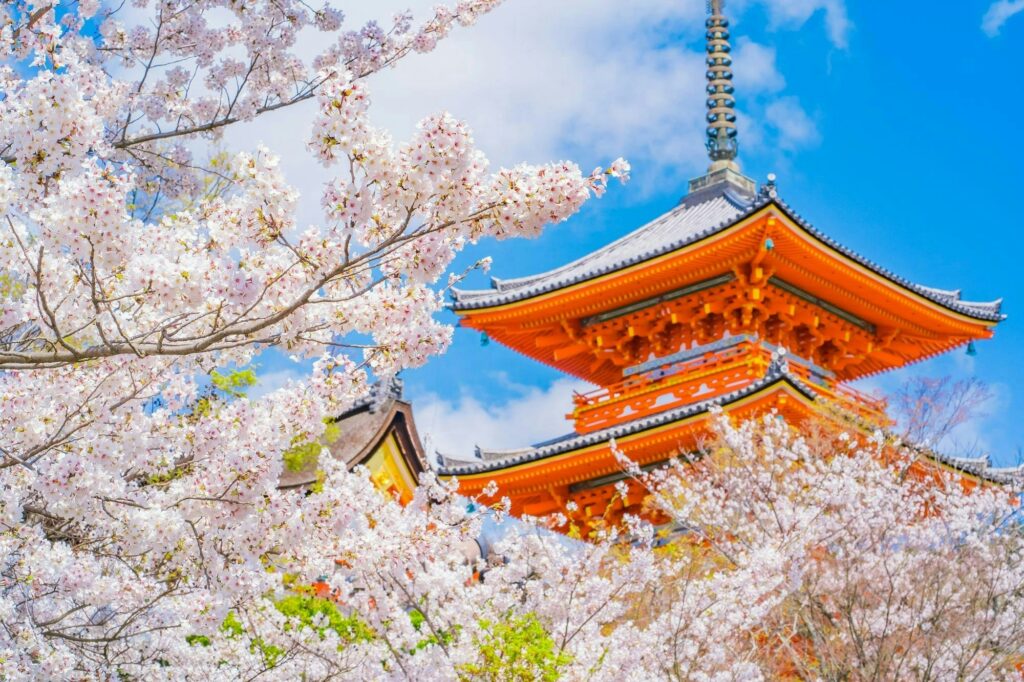
For many travelers, Japan feels like a dream destination. You may have seen photos of cherry blossoms, peaceful temples, colorful festivals, or delicious sushi. Yet when planning your first trip, a question often appears:
“What exactly is Japanese culture?”
Japan is a country where ancient traditions and modern life exist side by side. A quiet Zen garden may be just around the corner from a futuristic train station. A centuries-old shrine might stand next to a busy shopping street.
For first-time visitors, this mix can feel both exciting and a little confusing. What customs should you know? How should you behave? And how can you truly experience the culture instead of only seeing tourist spots?
The good news is that Japanese culture is welcoming to those who approach it with curiosity and respect. Once you begin to understand its values and traditions, traveling in Japan becomes not only easier—but deeply rewarding.
In this guide, you will discover the essence of Japanese culture, from traditional customs to everyday habits. By the end, you will feel more confident and inspired to experience Japan in a meaningful way.
What Do We Mean by “Japanese Culture”?
Japanese culture is more than famous landmarks or traditional clothing. It is a way of life shaped by thousands of years of history, nature, and shared values.
At its heart, Japanese culture blends tradition, community, and seasonal awareness. Many customs come from Shinto and Buddhist beliefs, which emphasize harmony with nature and respect for others.
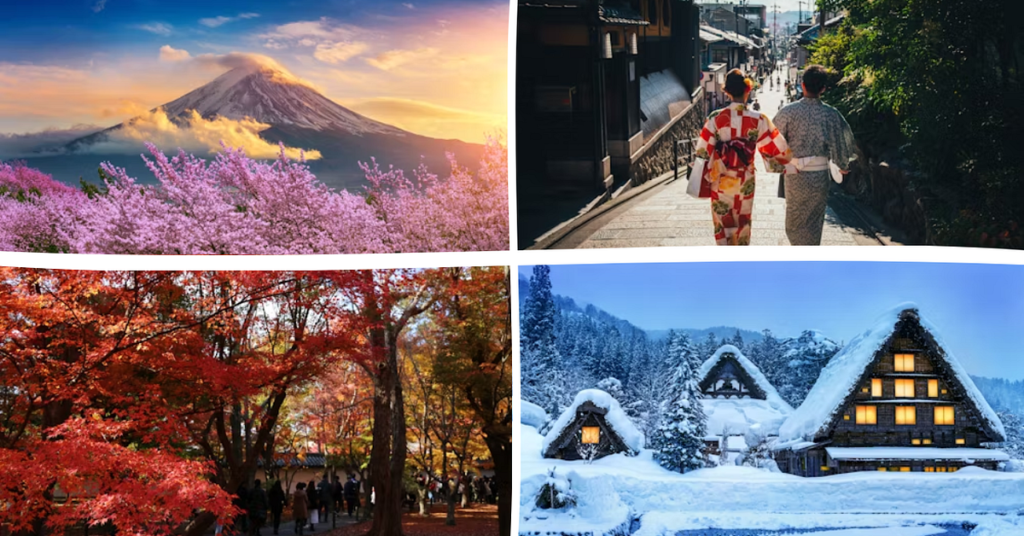
One of the most beautiful aspects of Japanese culture is its deep connection to the seasons. In spring, people gather under cherry blossoms. In autumn, families visit parks to admire colorful leaves. Seasonal foods, festivals, and decorations change throughout the year.
This attention to the seasons reminds people to appreciate the present moment. Even simple experiences—like drinking tea or walking through a garden—are often treated as meaningful moments.
For visitors, this sensitivity to beauty and detail is something you will notice everywhere. From carefully arranged meals to peaceful temple grounds, Japanese culture encourages people to slow down and enjoy life with awareness.
The Core Values Behind Japanese Culture
To understand Japanese culture, it helps to know the values that shape everyday behavior. Three important ideas often guide social life in Japan.
和(Wa )– Harmony
The concept of wa, or harmony, is central to Japanese society. People try to maintain peaceful relationships and avoid unnecessary conflict. Cooperation and consideration for others are highly valued.
You may notice this in many situations—quiet public transportation, organized lines, and people helping each other in crowded spaces.
おもてなし(Omotenashi )– Japanese Hospitality
Another important value is omotenashi, the spirit of wholehearted hospitality. In Japan, service is often thoughtful and attentive. Staff members in restaurants, hotels, and shops take pride in providing excellent care for guests.
What makes omotenashi special is that it is offered sincerely, without expecting anything in return.
Respect and Etiquette
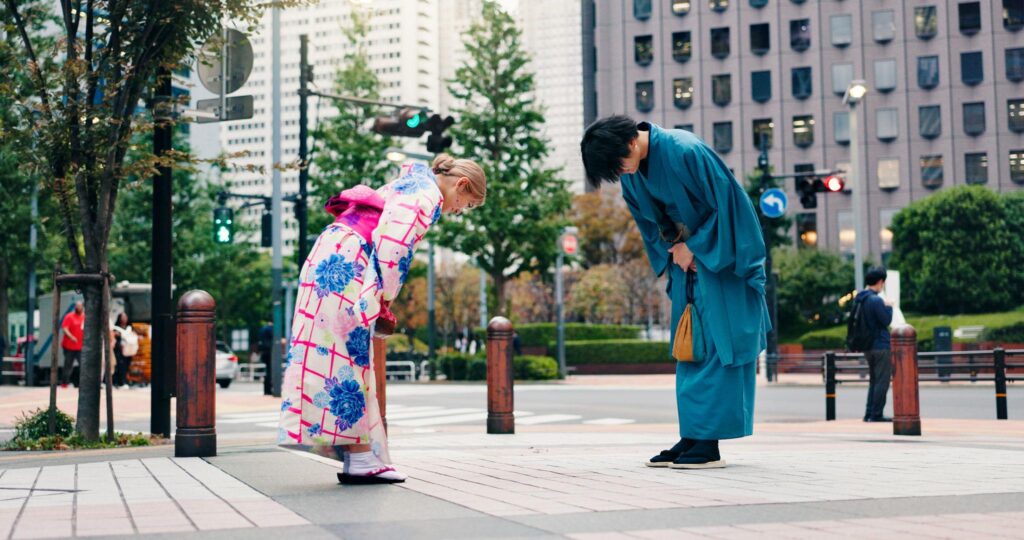
Respect is expressed through polite language, small bows, and thoughtful actions. Even simple gestures—such as giving and receiving items with both hands—reflect this sense of respect.
Understanding these values helps travelers see that many Japanese customs are not strict rules, but expressions of kindness and harmony.
Traditional Japanese Culture You Should Experience
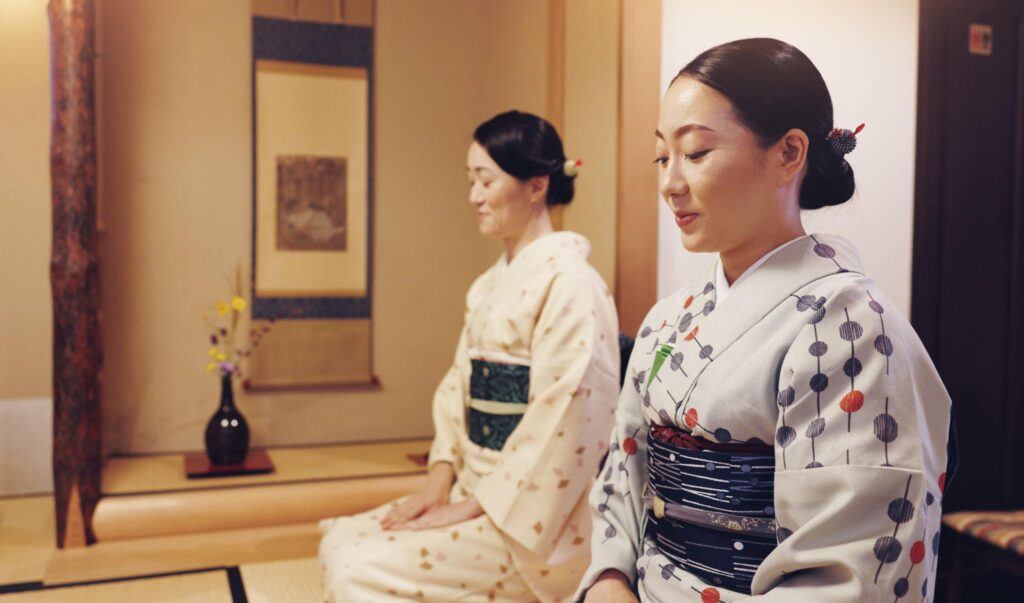
Japan’s traditional culture offers visitors unforgettable experiences that connect the past with the present.
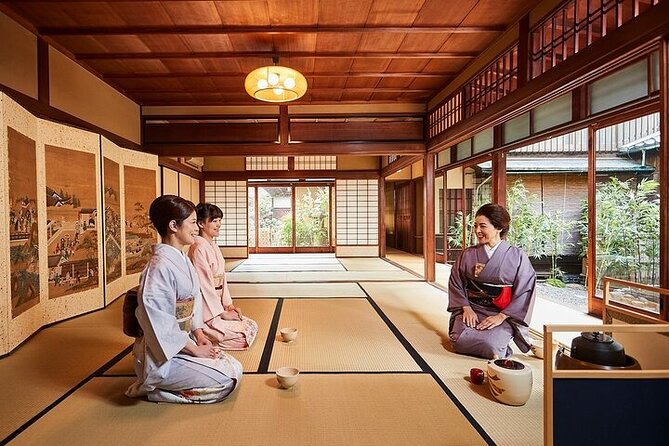
One of the most famous traditions is the tea ceremony, where preparing and drinking tea becomes a quiet and mindful ritual. The focus is not only on tea, but on appreciating the moment and the beauty of simplicity.
Another symbol of tradition is the kimono, Japan’s elegant traditional clothing. While people usually wear modern clothes in daily life, visitors can still experience kimono culture by renting one in historic areas such as Kyoto.
Temples and shrines also play an important role in Japanese culture. Walking through the peaceful grounds of a shrine or listening to the sound of temple bells can feel calming and reflective.
Japanese gardens express another cultural ideal—harmony with nature. Carefully arranged stones, water, and plants create spaces that invite quiet observation.
Finally, festivals, or matsuri, bring communities together. Colorful parades, traditional music, and street food create joyful celebrations that allow visitors to experience local traditions.
Modern Japanese Culture That Surprises Visitors
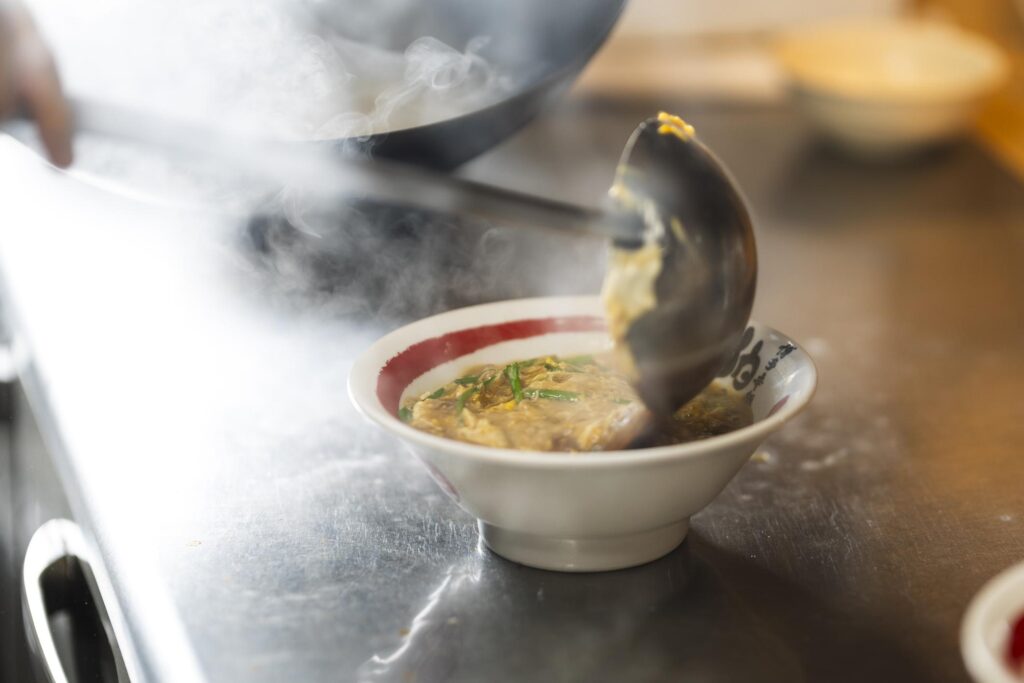
While Japan is known for its traditions, modern culture is equally fascinating.
Japanese anime and manga have become global cultural icons, inspiring fans around the world. Districts like Akihabara in Tokyo celebrate this creative side of Japanese pop culture.
Food is another highlight. Beyond sushi, visitors discover ramen shops, street food stalls, and unique regional dishes. Dining in Japan often becomes an adventure of flavors and presentation.
Japan is also famous for innovation and convenience. High-speed bullet trains, advanced technology, and even creative vending machines show how modern life is designed for efficiency.
Fashion, music, and gaming cultures also thrive in cities like Tokyo and Osaka, creating a vibrant atmosphere that surprises many travelers.
This balance between tradition and innovation is part of what makes Japan so unique.
Everyday Japanese Culture Visitors Notice First

Some of the most memorable cultural experiences are found in everyday life.
Visitors often notice how clean and orderly public spaces are. Streets and train stations remain tidy because people share responsibility for their environment.
Public transportation is also remarkably quiet. Passengers usually speak softly and avoid phone calls, helping create a calm atmosphere during busy commutes.
Politeness is another noticeable feature. Staff members greet customers warmly, and people often thank each other for small acts of kindness.
Punctuality is equally important. Trains, buses, and appointments are usually very precise, reflecting respect for other people’s time.
These small habits create a sense of comfort and trust that many travelers find refreshing.
Common Cultural Mistakes Travelers Should Avoid
Understanding a few basic customs can help visitors feel more comfortable during their trip.
For example, shoes are usually removed before entering homes, traditional inns, and some temples. Indoor slippers are often provided instead.
When using chopsticks, certain actions—such as sticking them upright in rice—should be avoided because they are associated with funeral rituals.
Public behavior is also important. Talking loudly on trains or making phone calls may disturb others.
Japan also has detailed recycling and trash rules. Because public trash bins are limited, travelers sometimes carry small bags for their garbage.
Learning these customs in advance can make your journey smoother and more enjoyable.
How to Experience Japanese Culture Like a Local
If you want to experience Japanese culture more deeply, try stepping beyond typical tourist activities.
Stay at a traditional ryokan, where you can sleep on tatami mats and enjoy seasonal meals. Attend a local festival to feel the energy of community celebrations.
Trying regional foods and learning a few simple Japanese phrases—such as arigato (thank you) or sumimasen (excuse me)—can also create warm connections with locals.
These small steps often lead to meaningful memories.
Conclusion — Discover the Beauty of Japanese Culture

Japanese culture is not only something you see—it is something you feel.
From quiet temples to lively festivals, every moment offers a chance to experience harmony, respect, and beauty. When you travel with curiosity and openness, Japan becomes more than a destination.
It becomes a journey that leaves your heart lighter and your memories brighter.


comment