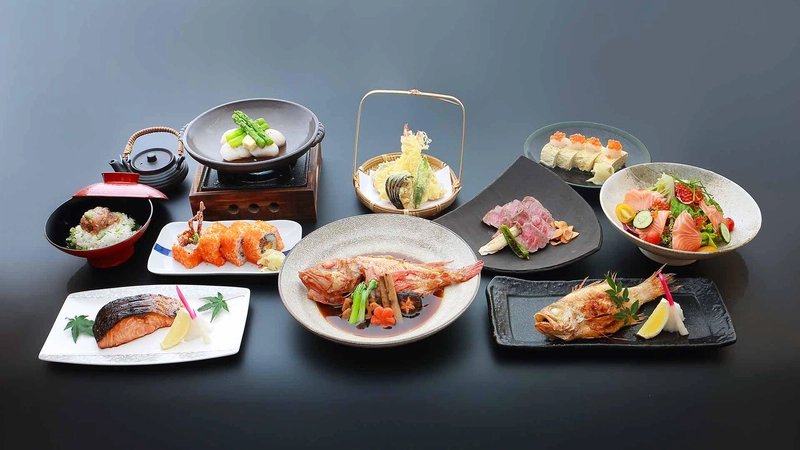
Introduction – Discovering Japan Through Food
Traveling to Japan for the first time is an exciting and unforgettable adventure. The country is known for its beautiful temples, vibrant cities, and rich traditions. But for many visitors, one of the biggest questions appears soon after arrival:
“What should I eat in Japan?”
Japanese food is famous all over the world, yet experiencing it in Japan feels completely different. The flavors are fresher, the presentation is more beautiful, and the atmosphere of each restaurant adds to the experience. Still, first-time travelers sometimes feel a little nervous. Menus may be written in Japanese, there are so many unfamiliar dishes, and you might worry about choosing the wrong thing.
But here is the good news: exploring Japanese food is not something to fear—it is one of the greatest joys of traveling in Japan.
In this guide, I will introduce ten Japanese foods that every first-time visitor should try. These dishes are loved by locals and travelers alike, and they represent the heart of Japanese cuisine. You will also find simple tips on where to find them and how to enjoy them comfortably.
By the time you finish this guide, choosing what to eat in Japan will no longer feel confusing. Instead, it will feel like the beginning of a delicious adventure.
What Makes Japanese Food Special?
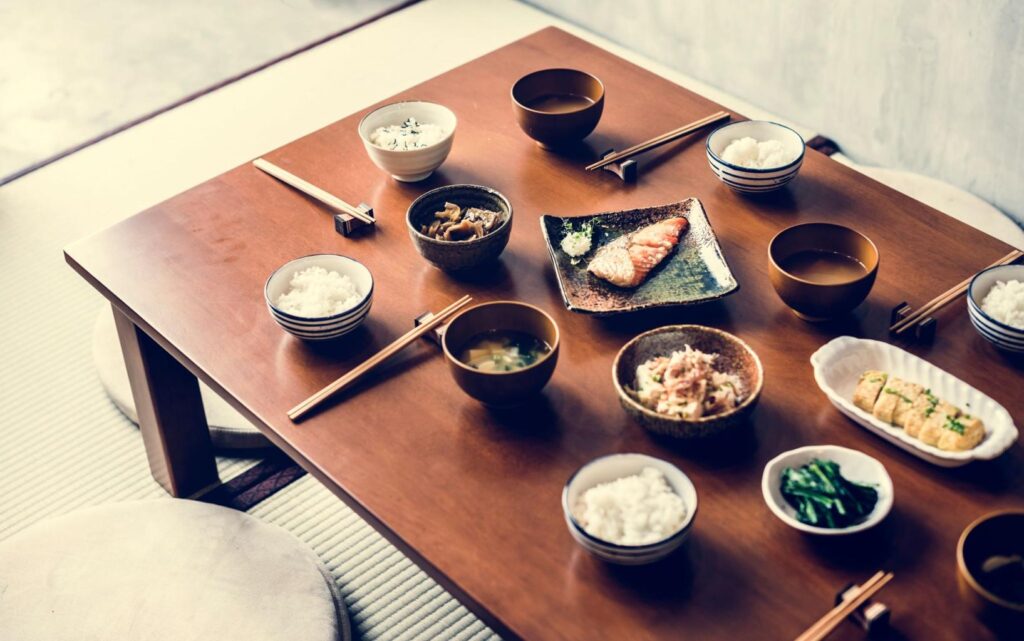
Japanese cuisine is admired around the world for its simplicity, balance, and beauty. But what truly makes Japanese food special is the way it respects ingredients and seasons.
First, freshness is essential. Many Japanese dishes use ingredients that are prepared in ways that preserve their natural flavor. Seafood, vegetables, rice, and seaweed are often served with minimal seasoning so that the original taste can shine.
Second, Japanese cooking focuses on balance. Instead of one strong flavor dominating a dish, different ingredients complement each other. Sweet, salty, savory, and subtle flavors come together in harmony.
Another important element is presentation. In Japan, food is often arranged carefully so that it looks as beautiful as it tastes. Plates, bowls, and seasonal decorations are chosen to create a pleasant visual experience.
Japanese cuisine is also known for being healthy. Meals often include a variety of small dishes, plenty of vegetables, and moderate portions. This balanced approach is one reason Japanese food has earned a reputation as one of the healthiest cuisines in the world.
Most importantly, food in Japan is more than just something to eat. It is a way to connect with culture, tradition, and everyday life. Each meal can become a small moment of discovery during your journey.
Top 10 Japanese Foods to Try
Here are ten Japanese dishes that first-time visitors should not miss. Each one offers a unique taste of Japan’s culinary culture.
Sushi
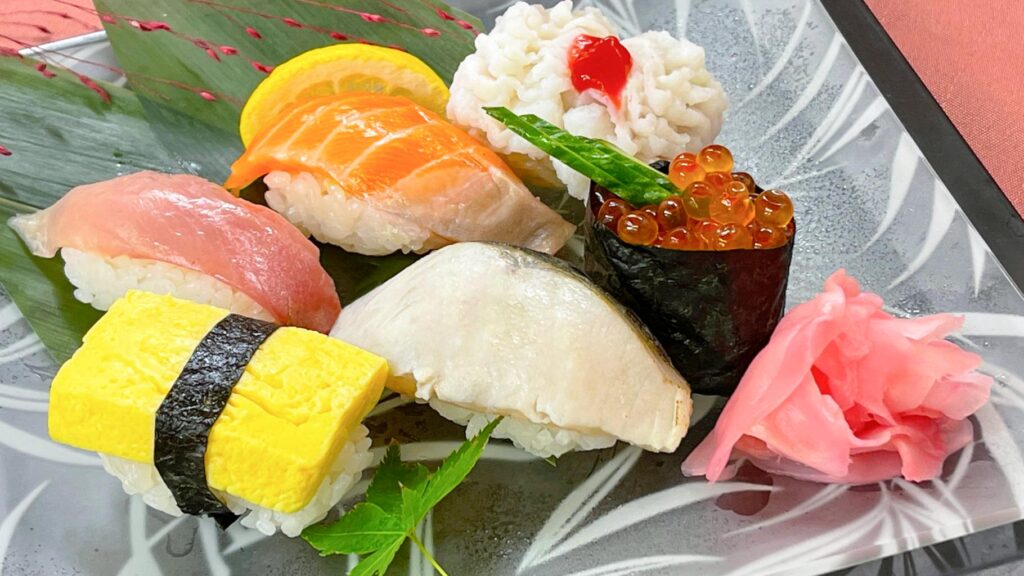
Sushi is probably the most famous Japanese dish in the world. It usually consists of vinegared rice topped with fresh seafood such as tuna, salmon, or shrimp. In Japan, sushi is often enjoyed at specialized sushi restaurants or at conveyor-belt sushi shops where plates move past you on a rotating belt.
For beginners, starting with simple options like salmon or tuna is a great way to experience the clean and delicate flavor that makes sushi so beloved.
Ramen
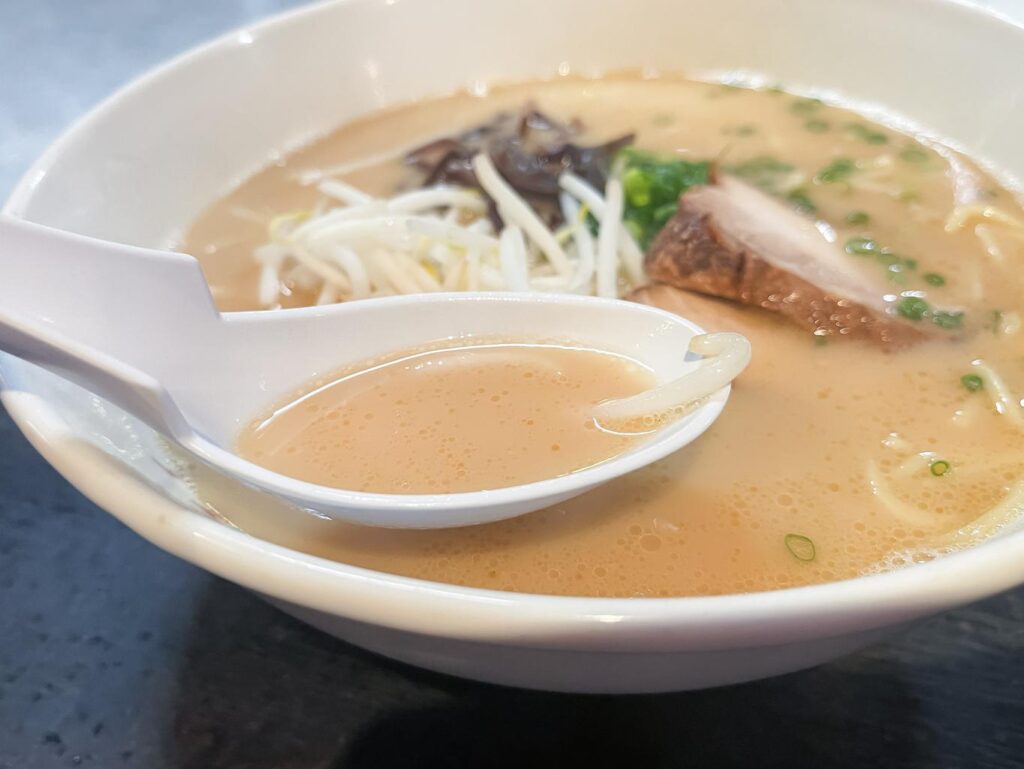
Ramen is a comforting noodle soup that has become a global favorite. A typical bowl includes wheat noodles in a rich broth, topped with ingredients such as sliced pork, boiled egg, seaweed, and green onions.
Different regions in Japan have their own ramen styles. From soy-sauce based broths to creamy pork bone soups, each bowl offers a different experience.
Tempura
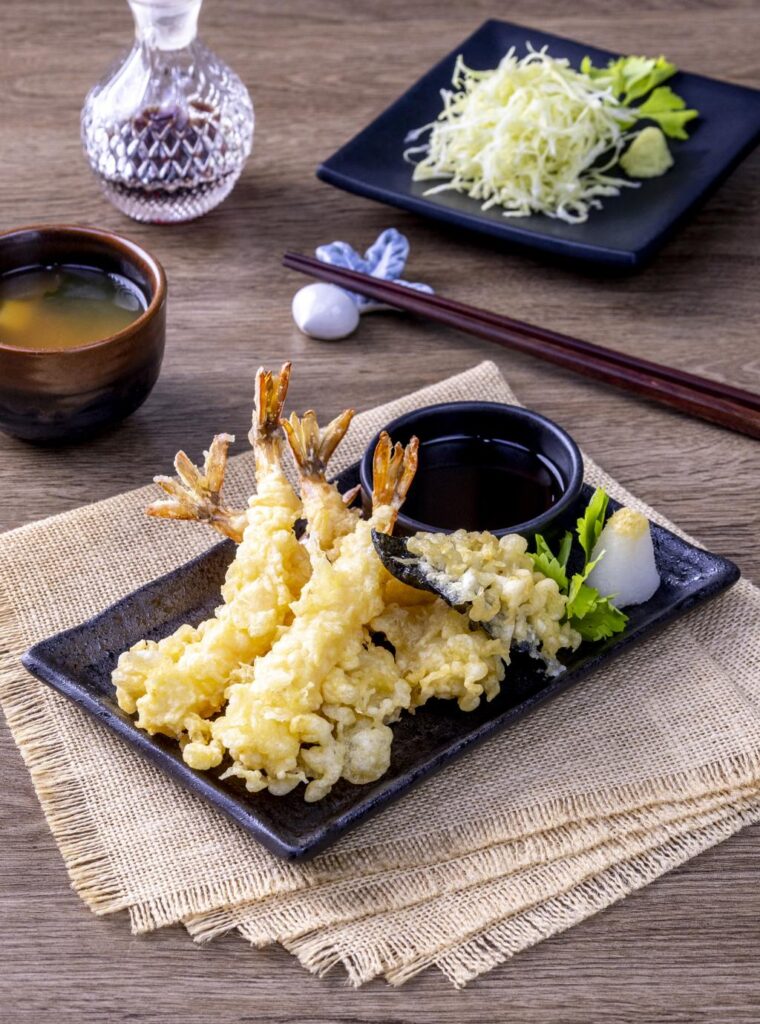
Tempura features seafood or vegetables that are lightly battered and deep-fried. The result is a crispy texture that feels surprisingly light rather than greasy.
Shrimp tempura is the most famous variety, but vegetables such as pumpkin, eggplant, and sweet potato are also popular choices.
Okonomiyaki
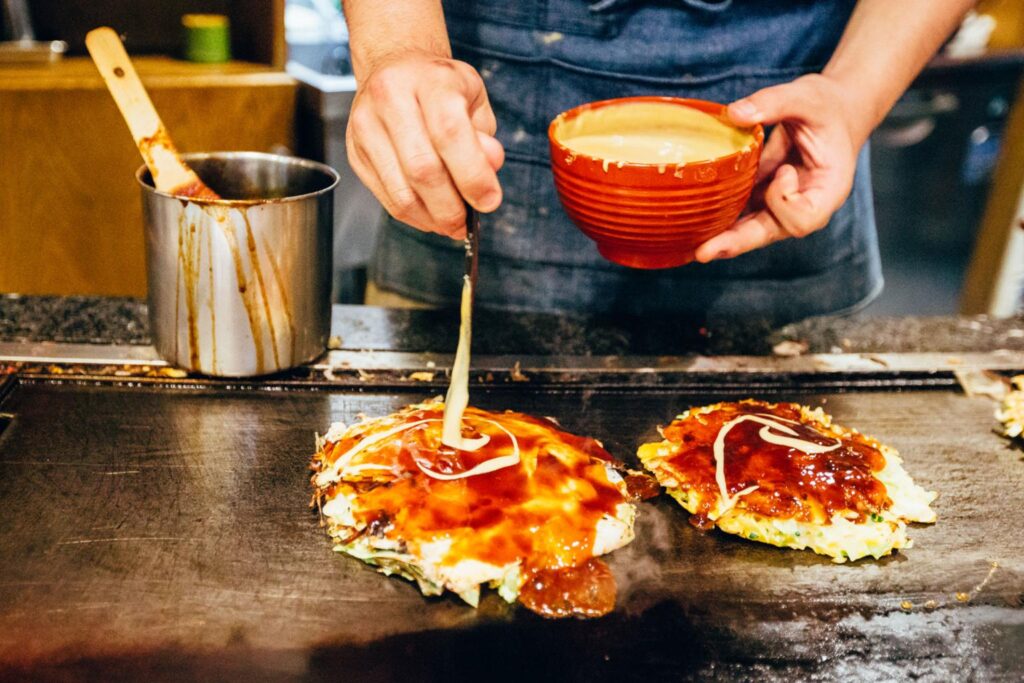
Often described as a Japanese savory pancake, okonomiyaki is made with cabbage, batter, and various ingredients like pork, seafood, or cheese. It is cooked on a hot griddle and topped with a sweet savory sauce and mayonnaise.
Many restaurants cook it right in front of you, making the meal both delicious and entertaining.
Takoyaki
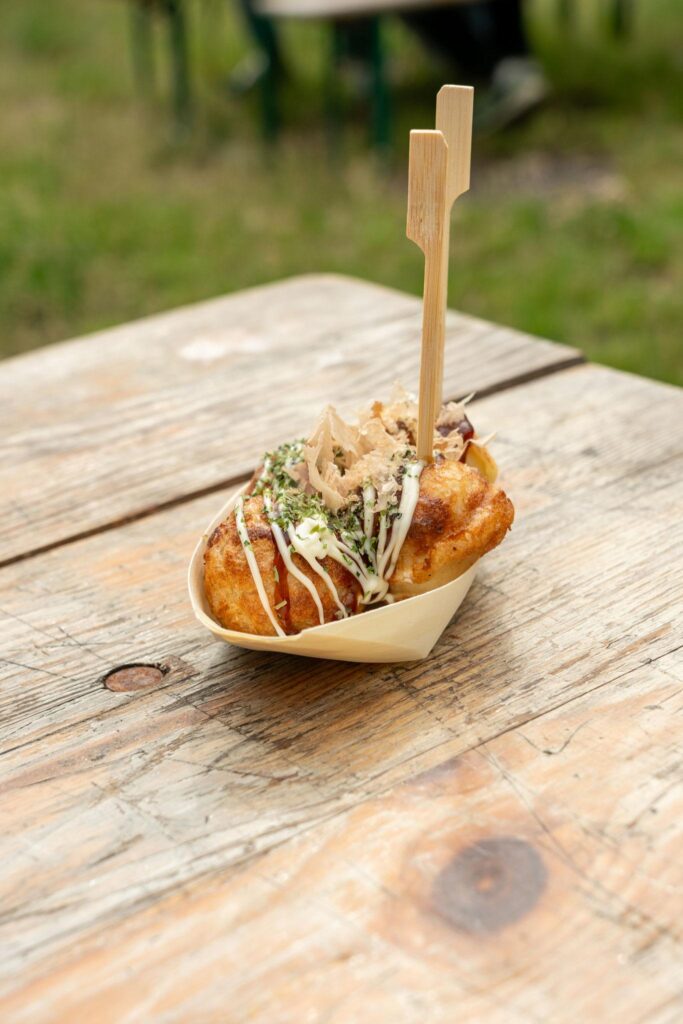
Takoyaki is a famous street food from Osaka. These small round balls of batter contain pieces of octopus and are cooked in a special pan. They are crispy on the outside and soft inside.
They are usually topped with sauce, mayonnaise, and dried bonito flakes that dance in the heat.
Udon
Udon noodles are thick, soft wheat noodles served in a gentle broth made from dashi, a traditional Japanese stock. Udon is known as comforting and satisfying, especially on cold days.
It can be served hot in soup or chilled with dipping sauce during warmer seasons.
Soba
Soba noodles are thinner and made from buckwheat, giving them a slightly nutty flavor. They are often served cold with a dipping sauce, although warm soba dishes are also common.
Many people enjoy soba for its light taste and healthy reputation.
Tonkatsu
Tonkatsu is a breaded and deep-fried pork cutlet that is crispy on the outside and juicy on the inside. It is usually served with shredded cabbage, rice, and a thick sweet sauce.
Despite being fried, it feels balanced and satisfying.
Onigiri
Onigiri are rice balls wrapped in seaweed and filled with ingredients such as salmon, tuna mayonnaise, or pickled plum. They are simple, convenient, and widely available.
You can find them in convenience stores, train stations, and supermarkets all across Japan.
Wagyu
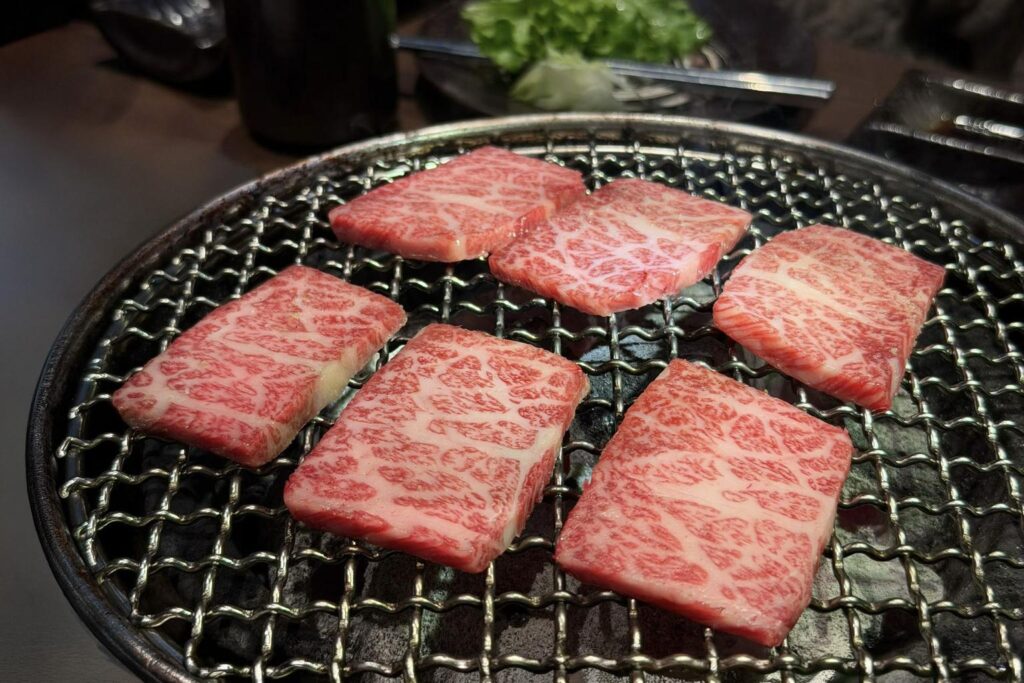
Wagyu is Japan’s famous premium beef, known for its beautiful marbling and incredibly tender texture. When cooked, the meat almost melts in your mouth.
While wagyu can be more expensive than other dishes, many travelers say it becomes one of the most unforgettable meals of their trip.
Tips for Enjoying Japanese Food
Trying new food in a different country can feel intimidating, but in Japan it is usually easier than you might expect.
One helpful option is conveyor-belt sushi restaurants, where you simply pick plates as they pass by. This makes ordering simple and fun.
Another surprising discovery is the quality of Japanese convenience stores. Places like 7-Eleven, Lawson, and FamilyMart sell fresh onigiri, noodles, and snacks that are both affordable and delicious.
You may also notice plastic food displays outside many restaurants. These realistic models show exactly what each dish looks like, making it easy to point and order even if you do not read Japanese.
And remember, curiosity is your best guide. Trying something unfamiliar often leads to the most memorable experiences.
Where to Find These Foods
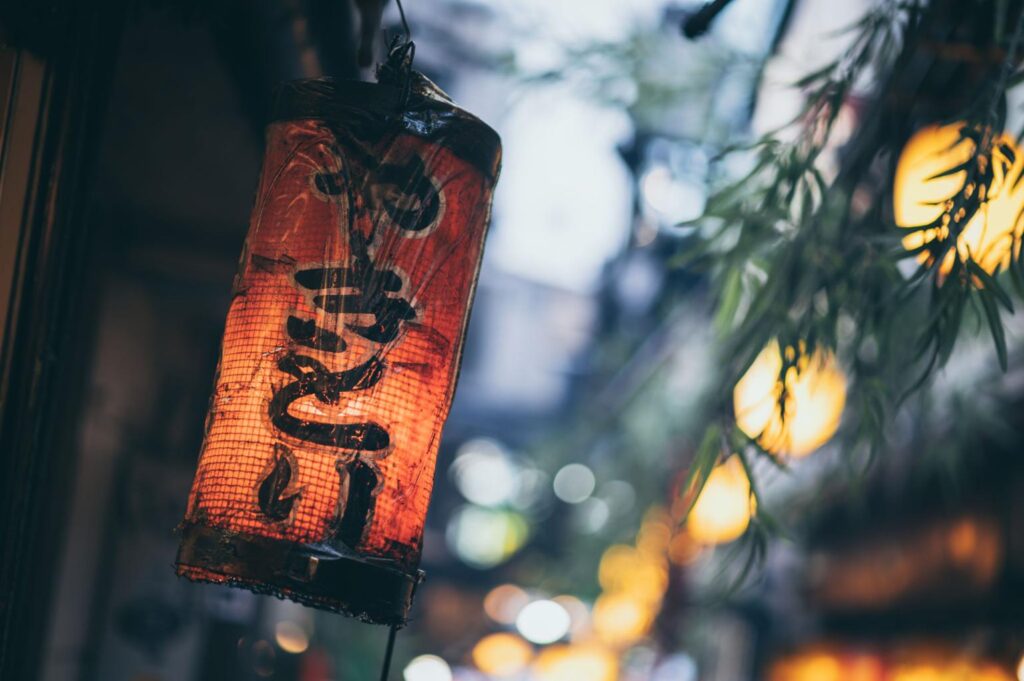
Japanese food can be found almost everywhere, from small local shops to modern restaurants.
Ramen shops and sushi restaurants specialize in particular dishes, while izakaya offer many small plates in a lively atmosphere. Street markets and food stalls are great places to try snacks like takoyaki, and department store food halls provide beautifully prepared meals and sweets.
Even simple neighborhood restaurants often serve incredible food. Exploring these places can lead to delightful surprises.
Conclusion – A Journey of Flavor
Food is one of the most meaningful parts of traveling in Japan. Each meal tells a story about local ingredients, traditions, and the care that goes into Japanese cooking.
At first, choosing what to eat might feel overwhelming. But once you begin exploring—tasting sushi, enjoying a warm bowl of ramen, or discovering a simple rice ball from a convenience store—you will realize that every bite brings you closer to the spirit of Japan.
Allow yourself to be curious. Step into small restaurants. Try dishes you have never heard of before.
You may start your journey with uncertainty, but you will soon find yourself smiling over a delicious meal, feeling lighter, warmer, and more connected to the place around you.
And that moment—when travel, culture, and flavor come together—may become one of the most beautiful memories of your trip to Japan.


comment