
- Introduction – “What if I don’t know what to eat?”
- The Ideal Experience – A Small Moment That Feels Like Japan
- Why It Feels Difficult at First
- The Solution – Simple, Safe, and Surprisingly Friendly
- Your First Visit – Step by Step
- What Should You Try?
- A Few Simple Tips
- Conclusion – A Small Door to a Big Experience
Introduction – “What if I don’t know what to eat?”
Imagine this.
You’ve just arrived in Japan after a long flight.
The streets feel different, the signs are unfamiliar, and suddenly a simple question appears in your mind:
“What should I eat… and how?”
Many first-time visitors feel the same way.
Restaurants look amazing, but the menus are often in Japanese.
You may worry about ordering incorrectly, or even breaking an unspoken rule.
And then there’s another thought:
“Is it okay to eat from a convenience store?”
In many countries, convenience store food is something quick—but not something special.
So it’s natural to hesitate.
But here’s something surprising.
In Japan, convenience stores are not just “good enough.”
They are one of the easiest, safest, and most enjoyable ways to experience Japanese food.
And once you know how they work, they might become your favorite part of the trip.
The Ideal Experience – A Small Moment That Feels Like Japan

Let me take you somewhere for a moment.
It’s your first evening in Tokyo.
The city is glowing with soft lights, and the air feels calm but alive.
On the corner, you see a bright, clean store.
You step inside.
Everything is neatly arranged. Fresh meals, colorful packages, warm food behind glass counters.
It feels easy. No pressure. No confusion.
You pick up a rice ball—soft, perfectly wrapped.
Maybe a small box of fried chicken.
A dessert that looks too beautiful to ignore.
At the cashier, the staff smiles and gently asks something in Japanese.
You don’t understand the words, but their tone is kind.
You nod. They warm your food.
A few minutes later, you’re sitting in your hotel room or a quiet park, opening your meal.
The first bite surprises you.
It’s fresh. Delicious. Comforting.
And in that moment, you realize:
“I can do this. I can enjoy Japan.”
Why It Feels Difficult at First
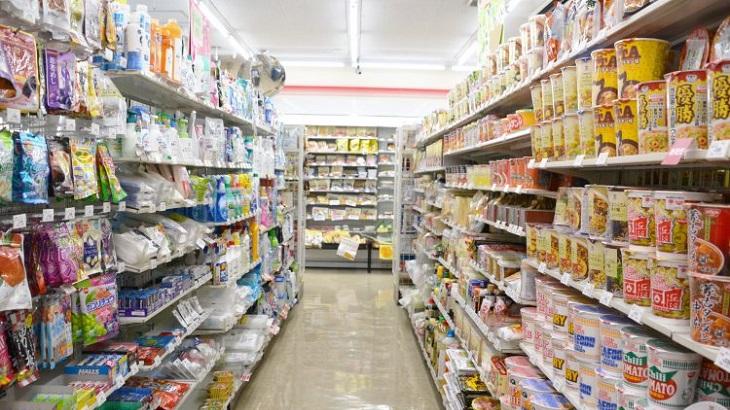
If you’re feeling unsure right now, you’re not alone.
Most travelers don’t struggle because it’s difficult.
They struggle because it’s unfamiliar.
Everything is written in Japanese.
You’re not sure what’s inside the package.
You may wonder:
- “Should I heat this?”
- “How do I pay?”
- “Is it okay to eat here?”
There’s also a quiet fear of making mistakes.
No one wants to feel awkward in a new country.
But here’s the truth:
Japanese convenience stores are designed to be simple—even if you don’t speak the language.
Once you understand a few small things, everything becomes surprisingly easy.
The Solution – Simple, Safe, and Surprisingly Friendly
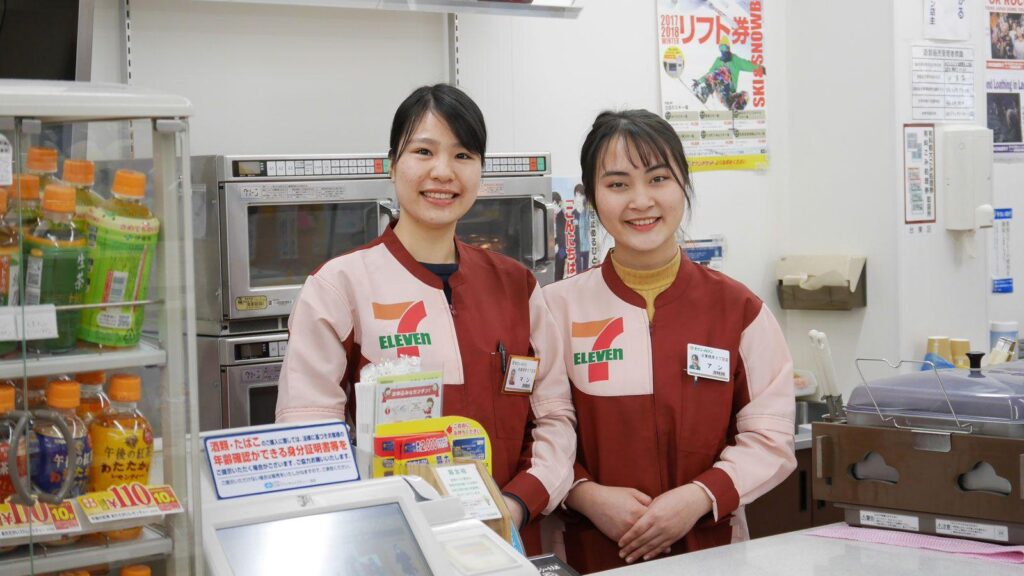
Japanese convenience stores—often called konbini—are everywhere.
You’ll find them on busy streets, quiet neighborhoods, even near train stations.
The most common ones are 7-Eleven, Lawson, and FamilyMart.
No matter which one you enter, the experience is almost the same.
Clean, organized, and incredibly reliable.
The food is fresh and restocked many times a day.
Prices are clearly displayed.
Everything feels safe.
At the cashier, something interesting happens.
The staff may ask, “Warm it?” (in Japanese).
If you want your meal heated, you can simply nod or say “yes.”
That’s enough.
You don’t need perfect pronunciation.
You don’t even need full sentences.
A smile, a nod, or a simple gesture works just fine.
For payment, you can use cash, a credit card, or a prepaid IC card like Suica.
The process is smooth and guided—you’ll see exactly what to do.
Little by little, your uncertainty begins to disappear.
Your First Visit – Step by Step
Let’s walk through it together.
You push the door open. A soft sound welcomes you.
The store is bright and calm.
You walk slowly at first, looking around.
Near the entrance, you’ll find drinks and snacks.
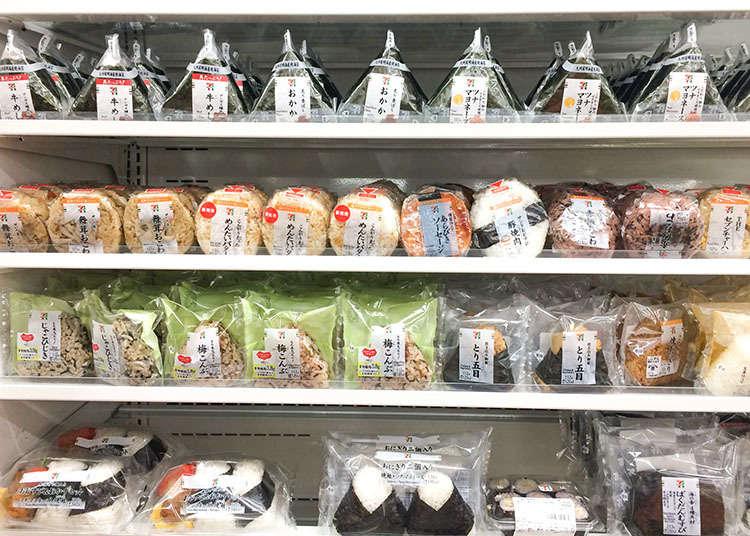
Further inside, there are shelves filled with rice balls, lunch boxes, and sandwiches.
Take your time.
Pick up an onigiri—a simple rice ball with fillings like tuna or salmon.
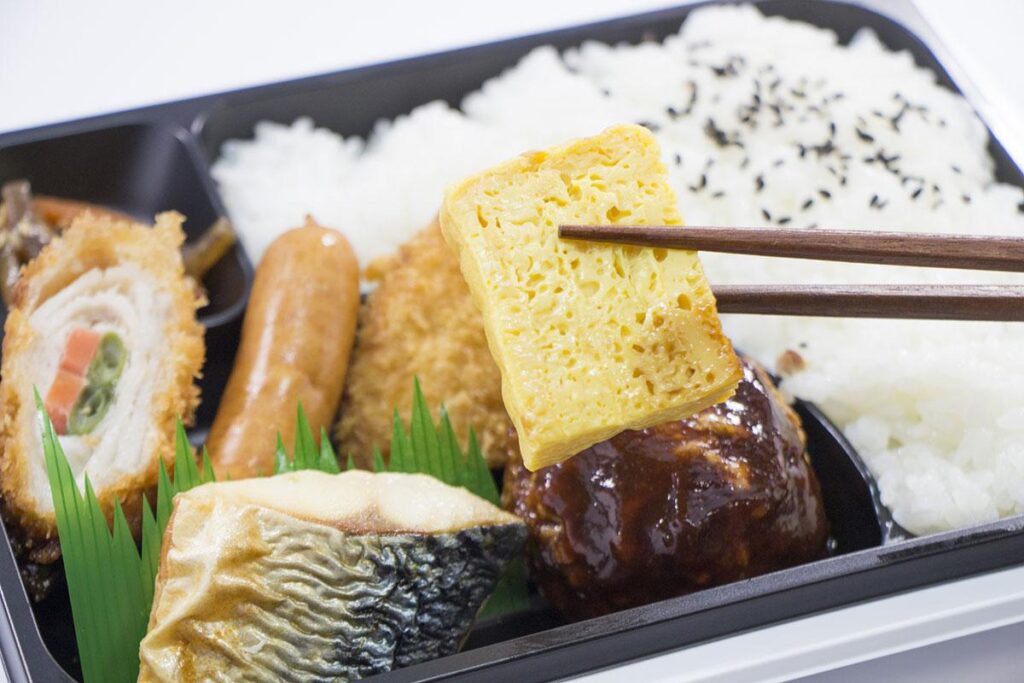
Maybe add a bento, a complete meal in one box.
If you’re curious, grab a dessert too.
When you’re ready, go to the cashier.
Place your items on the counter.
The staff might ask about heating.
If you’re unsure, just smile and say “yes.” They will take care of it.
You pay—watching the screen, following the simple steps.
Then, they hand you your food, often with chopsticks or a spoon.
Now comes the best part.
You find a place to sit—your hotel room, a quiet bench, maybe near a window.
You open your meal.
And with that first bite, something shifts.
This isn’t complicated anymore.
This is enjoyable.
What Should You Try?
Now that you feel more comfortable, let’s explore.
Start simple.
Onigiri is perfect for beginners. Soft rice, gentle flavors, easy to eat.
Tuna mayo and salmon are especially popular.
Bento boxes are like a small journey in one meal.
Rice, meat, vegetables—balanced and satisfying.
If you see fried chicken (karaage), don’t hesitate.
It’s crispy, juicy, and surprisingly high quality.
And then, there are desserts.
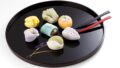
Creamy puddings, soft mochi, seasonal sweets that change throughout the year.
Each one feels like a small reward.
Trying these foods is not just eating.
It’s discovering Japan in a quiet, personal way.
A Few Simple Tips
There’s no need to worry about rules.
Just remember a few things:
- Avoid eating while walking
- Use designated spaces or your hotel
- Throw trash in the proper bins
- Line up politely at the cashier
That’s all.
You don’t need to be perfect.
Just being respectful is enough.
Conclusion – A Small Door to a Big Experience
At the beginning, you may feel unsure.
But once you step into a Japanese convenience store, something changes.
It becomes easy.
Comfortable.
Even enjoyable.
And more than that, it becomes a small door into Japanese life.
A place where you can eat well, feel safe, and gain confidence—one meal at a time.
So when you arrive in Japan, don’t hesitate.
Walk into that bright little store on the corner.
Your first great meal in Japan might be waiting there.
And it might be the moment you realize:
“This trip is going to be something special.”
comment